Worn grout is often what makes a bathroom look older than the tile itself. I’ll walk through how to refresh grout without jumping straight to replacement, starting with cleaning, then moving to recoloring, sealing, spot repair, and regrouting when the joints have failed. The order matters because the wrong fix wastes time and can hide a moisture problem.
The right fix depends on whether the grout is dirty, discolored, or damaged
- Surface grime calls for a deep clean, not new grout.
- Faded but solid grout often responds best to a colorant or color sealer.
- Cement-based grout usually benefits from sealing after it has fully cured.
- Cracks, missing joints, and recurring mildew usually mean repair or regrouting.
- The cheapest path is usually to clean first and only move to heavier fixes if the grout still looks tired.
Start with the least invasive fix that still solves the problem
When grout looks bad, I start by asking a simple question: is the problem on the surface, in the color, or in the joint itself? That answer tells you whether you need a cleaner, a color refresh, a sealer, or a repair. The table below is the decision filter I use most often.
| What you are seeing | Best move | Why it works |
|---|---|---|
| Grout is dull, greasy, or covered in soap film | Deep clean | Removes buildup without changing the joint |
| Color is blotchy or faded, but the grout is still firm | Grout colorant or color sealer | Restores a more even tone and gives the surface a cleaner finish |
| Cement grout is porous but structurally sound | Penetrating sealer | Slows future staining and makes routine cleaning easier |
| Cracks, missing sections, or mildew that keeps coming back | Repair or regrout | Fixes the joint itself instead of covering the symptom |
For most homeowners, that sequence also makes financial sense. According to Angi, professional tile-and-grout cleaning usually runs about $0.50 to $3 per square foot, often with a $100 to $200 minimum. HomeGuide puts shower or bathroom regrouting around $7 to $28 per square foot, which is why I only move to that step when the joints are actually failing. Once you know where the problem sits, the next step is cleaning it the right way.
Deep clean sound grout before you reach for color products
Use a neutral cleaner and a soft brush first
I start with a pH-neutral cleaner, warm water, and a nylon grout brush. pH-neutral means the cleaner is balanced enough to remove dirt without leaning so acidic or so alkaline that it attacks cement grout or nearby stone. I stay away from vinegar, harsh bleach mixes, and abrasive pads unless the product label specifically allows them, because they can strip protection faster than they remove grime. On smooth ceramic or porcelain, a small brush and patient scrubbing usually do more than aggressive chemistry.
Steam only when the grout can handle it
Steam can be useful on sealed, sound grout because heat lifts soap film and body oils without adding a lot of chemistry. I still test a corner first and keep the pressure modest. If the grout is unsealed, powdery, or already crumbling, I skip steam and move straight to repair; heat and moisture can make weak joints fail faster.
Read Also: Black Tile, Brown Grout - Get the Look Right
Know when cleaning has done its job
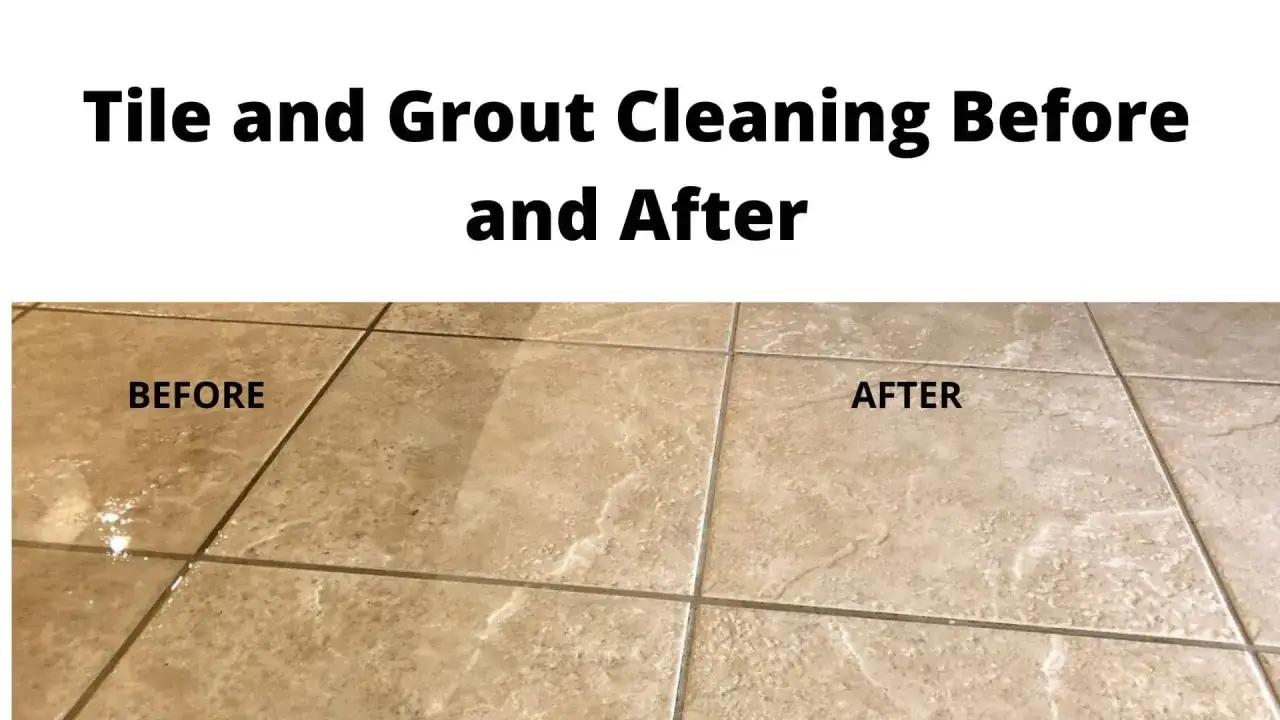
If the lines look cleaner but still blotchy after drying, the problem is probably discoloration rather than dirt. If they look clean and the surface feels solid, the next step is usually recoloring or sealing, not more scrubbing. That is where a color refresh becomes useful.
Recolor faded grout when cleaning is not enough
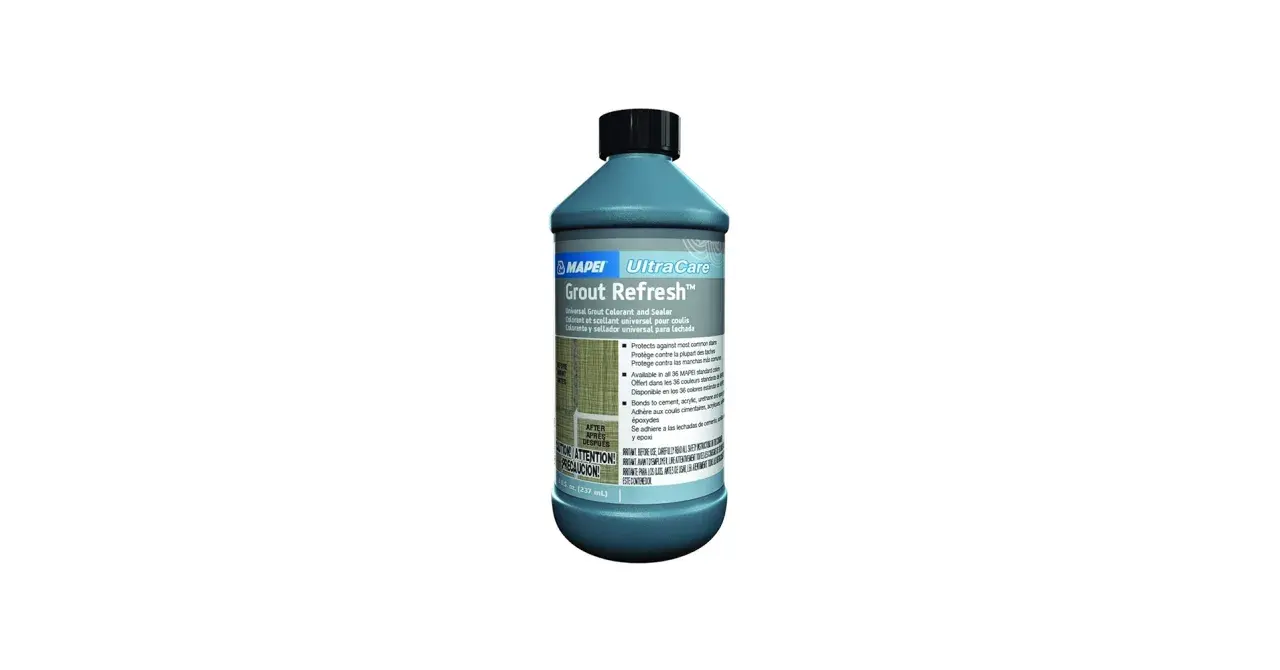
When grout is clean but still looks uneven, a grout colorant or color sealer can be the best middle path. I use this category for lines that are structurally fine but visually tired: sun-faded shower walls, patchy kitchen backsplashes, or old grout that never quite came back after years of use. The better products are designed to bond to the grout surface and seal it at the same time, which makes them far more durable than a marker-style touch-up.Grout pens can help with a small, isolated blemish, but I do not treat them as a whole-room fix. They are quick, not transformative. If you want the joints to look intentionally renewed, a proper colorant is the stronger move.
Color also gives you a design decision. A tone that is slightly deeper than bright white usually hides everyday wear better in showers and floors, while a cleaner white can make a backsplash look sharper if the room is low-traffic. I would not change color just for trendiness; I would change it to solve a maintenance problem or fix a mismatch that keeps catching my eye every time I walk into the room.
Colorants are not a cure for movement, water intrusion, or crumbling edges. If the grout is failing physically, the job is repair first and appearance second. That leads directly to sealing and structural fixes, which matter more than people think.
Seal cement grout to slow the next round of staining
Sealing does not make grout new, but it does make it easier to keep new-looking. On cement-based grout, a penetrating sealer helps resist water, soap residue, and oil-based stains without putting a shiny film on top. That matters in bathrooms, because the problem is rarely one dramatic stain; it is a slow accumulation of moisture and residue that dulls the joints over time.
I apply sealer only after the grout has cured fully and the surface is completely dry. Most products need full cure time before they can perform properly, and rushing that step can trap moisture instead of protecting the joint. Epoxy grout and some single-component grouts often do not need sealer, so I read the label before I assume anything. If the grout is in a shower, I pay attention to the corners and tub edges too, because those joints usually need flexible caulk rather than grout.
Sealer is the right step when the grout is sound but porous. It is the wrong step when the joint is already cracked, hollow, or missing material. A good sealer extends the interval between deep cleans; it does not rescue a failing installation.
Repair cracks, gaps, and mildew before they spread
If a grout line is opening up, cleaning will only make the defect easier to see. Cracks, pinholes, missing sections, and recurring dark stains are signs that the joint is no longer doing its job. In showers, I also watch for discoloration that returns quickly after cleaning; that often points to moisture moving through or behind the joint instead of just sitting on top of it.
At changes of plane, like where the tile meets the tub, shower pan, or a wall corner, the correct material is usually flexible caulk. Grout is rigid, so it is more likely to crack there as the room moves with temperature and moisture changes. Replacing failed caulk is a small job, but it can make the whole room look better because those seams are highly visible.
- Use grout repair for small holes or isolated chips.
- Replace caulk at corners, tubs, and shower bases.
- Stop and inspect if the grout feels soft or crumbles when brushed.
- Check for loose tile if the stain keeps coming back in the same area.
Once the joints are physically sound again, the question becomes whether a full regrout would be more efficient than chasing spot repairs.
Know when a full regrout is the right call
Regrouting is the step I save for grout that has lost structure, not just color. If the lines are powdery, deeply cracked, hollow-sounding, or missing over a wide area, repeated cleaning and sealing will only delay the inevitable. At that point, you are not refreshing grout so much as replacing the worn-out part of the assembly.A full regrout also makes sense when old patch repairs have created a patchwork look, or when the shower keeps showing the same mildew problem even after proper cleaning. I would rather remove bad material once than keep layering products over failure. That said, if tile is loose or water damage is visible, the job is bigger than grout alone and usually deserves a professional look before more cosmetic work gets done.
I keep regrouting in reserve because the labor is higher, the mess is greater, and the results only last if the rest of the assembly is healthy. That is why the maintenance that comes after the refresh matters just as much as the refresh itself.
Keep the renewed look with a simple bathroom routine
Fresh grout stays fresh because the bathroom habits around it change too. My routine is simple: wipe down showers after use when I can, run the exhaust fan long enough to clear the steam, and clean with a gentle tile-and-grout product before soap film turns into a heavier buildup. On floors, I vacuum or sweep first so grit does not act like sandpaper.
- Use a pH-neutral cleaner for regular maintenance.
- Dry shower walls or use a squeegee after heavy use.
- Keep humidity moving with an exhaust fan or open door.
- Avoid abrasive pads, acid cleaners, and hard wire brushes.
- Check sealed cement grout periodically and reseal when water stops beading.
The point is not to baby the surface. It is to keep dirt from settling into the joints again so the work you already did lasts longer.
The bathroom refresh plan I would trust on a real project
If I were improving a standard bath, I would start with cleaning, let everything dry, and then decide whether the grout just needed a better color or a better structure. That sequence keeps the work honest: first remove buildup, then protect what is sound, then repair what has failed.
It is also the most efficient way to get a more finished-looking bathroom without overspending. Clean what can be cleaned, recolor what is only tired, seal what is porous, and regrout only when the joints have stopped holding up. That is the practical route I trust when the goal is a cleaner room, not a bigger project.