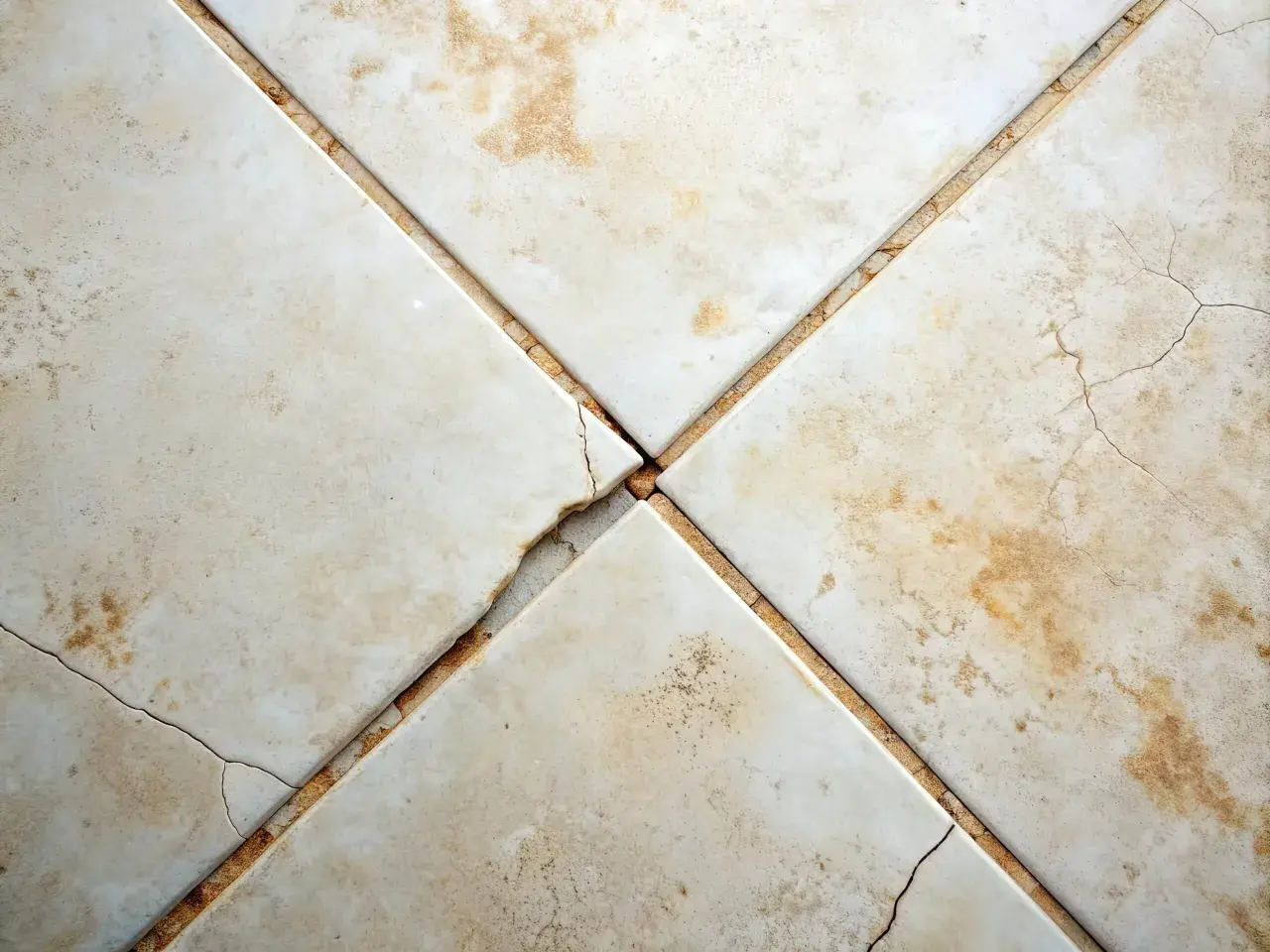
Floor grout does not wear out on a neat schedule, and that is exactly why so many tiled floors stay in service long after they start looking tired. So, how often should you regrout floor tiles? The honest answer is that there is no fixed calendar date; I look at traffic, moisture, cleaning habits, and whether the joints are still structurally sound. In a typical U.S. home, good grout can last for years, but once it starts cracking, crumbling, or letting stains return again and again, regrouting stops being cosmetic and becomes a repair.
The practical answer at a glance
- Cement-based grout on a well-kept floor often stays serviceable for roughly 8 to 15 years.
- High-traffic or moisture-heavy rooms usually need attention sooner than low-use spaces.
- Epoxy grout can last longer, but it still needs regular inspection.
- Cracks, crumbling, or missing joints mean regrouting is likely overdue.
- Cleaning and sealing can extend grout life, but they do not fix failed grout.
The rule of thumb I use for floor tile grout
If the floor was installed well and the grout is cement-based, I usually think in a window of about 8 to 15 years. That is not a warranty or a hard deadline. It is the point where age, cleaning wear, and daily traffic often start to show up in the joints, even if the tile itself still looks fine.
For a light-use powder room or a guest bathroom, the grout may stay presentable longer. In a busy family bathroom, kitchen, entryway, or mudroom, I start checking earlier because those floors take more water, more grit, and more repeated loading. Epoxy grout can last longer than traditional cement grout, but it is not immune to movement in the floor or poor installation underneath.
| Space | Typical regrouting window | What usually shortens it |
|---|---|---|
| Light-use guest bath | 10 to 15 years | Neglected sealing, harsh cleaners, hidden moisture |
| Family bathroom floor | 7 to 12 years | Daily water exposure, humidity, frequent scrubbing |
| Kitchen floor | 8 to 12 years | Spills, rolling chairs, dropped items, grit |
| Entryway or mudroom | 5 to 10 years | Heavy foot traffic, sand, tracked-in moisture |
| Epoxy grout in a stable floor | Often longer | Movement in the substrate, installation defects |
The table gives a practical range, not a promise. The real question is not just age; it is whether the grout is still doing its job of protecting the tile edges and helping the floor stay stable. That is why the next step is looking at what pushes grout toward failure earlier than expected.
What pushes grout toward an earlier replacement
Grout usually fails because several small stresses pile up. Age matters, but in most homes I see the damage come from traffic, moisture, and movement more than from the calendar alone.
Foot traffic and point loads
Floor grout takes a beating in places where people walk constantly, drag chairs, roll carts, or drop heavy objects. Grit acts like sandpaper under shoes, and a single hard impact can open a weak joint enough for dirt and water to settle in. Once the joint starts breaking down at the edges, the damage tends to spread.
Moisture and cleaning habits
Moisture is grout’s most common enemy in bathrooms, laundry rooms, and kitchen spill zones. Grout is porous, so it can absorb water, soap residue, and grime over time. Harsh cleaners can also strip protective sealer or weaken the surface, which is why I prefer routine cleaning that is firm but not aggressive. Strong acid cleaners may make a floor look bright for a minute and leave you with more wear later.
Movement under the tile
If the floor flexes, if the underlayment was not prepared properly, or if the tile was installed over a moving base, grout can crack even when it is still relatively new. This is the point where regrouting alone may only buy time. If the same line keeps cracking in the same place, I stop thinking about the grout and start thinking about the floor assembly underneath it.
Read Also: White Tile Beige Grout - The Secret to a Calmer Bathroom
The grout type matters
Cement grout is common and cost-effective, but it is more vulnerable to staining and surface wear. Epoxy grout resists moisture and staining much better, which is why it often lasts longer in wet or hard-use areas. Still, no grout type is magic. A poor install can fail quickly, and even premium material will not survive a shifting substrate.
Once you know what is stressing the floor, it becomes much easier to tell whether you are looking at normal aging or an actual failure that needs repair.
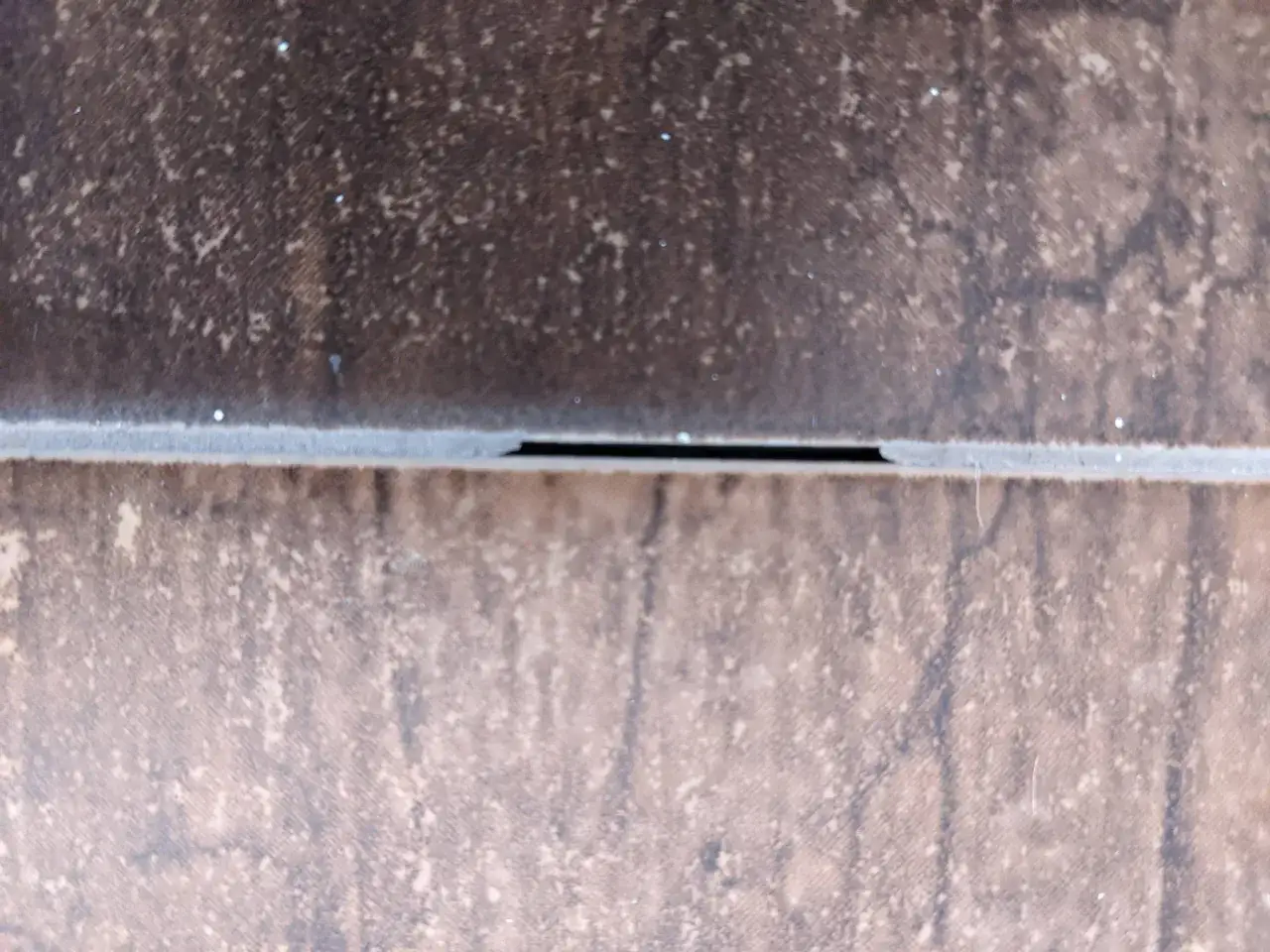
Signs it is time to regrout instead of cleaning again
There is a big difference between grout that is dirty and grout that is done. If the problem is only surface soil, cleaning may be enough. If the joint itself is broken down, regrouting is the better move.
| What you see | What it usually means | Best next step |
|---|---|---|
| Hairline cracks | The joint is starting to open | Inspect soon; regrout if the cracks spread |
| Powdery or sandy grout | The surface is breaking down | Regrout, especially if multiple joints are affected |
| Missing chunks or gaps | Moisture can reach the base layer | Regrout promptly |
| Stains that return after deep cleaning | The grout is too porous or damaged | Consider regrouting or a grout colorant if the joints are still sound |
| Loose tile or a hollow sound | The issue may be below the grout line | Check for movement before regrouting |
| Mold that keeps coming back | Moisture is lingering in or behind the joint | Fix the moisture source and regrout if needed |
My rule is simple: if a floor still looks tired after a deep clean, and the joints feel weak to the touch, I do not keep chasing the problem with stronger cleaners. At that point, the floor is telling you the grout itself has reached the end of its useful life. That brings us to the next decision, which is whether you really need regrouting or just a less invasive refresh.
Cleaning, sealing, or regrouting
Not every ugly grout line needs to be ripped out. Sometimes the best fix is much smaller, and sometimes regrouting is the only honest repair. I separate the options by condition, not by preference.
| Condition | Best option | Why |
|---|---|---|
| Light surface dirt | Deep clean | Restores appearance without disturbing sound grout |
| Sound joints that stain easily | Seal or reseal | Helps slow future staining and moisture absorption |
| Discolored but structurally intact grout | Grout colorant or professional cleaning | Improves appearance without full removal |
| Cracked, crumbling, or missing grout | Regrout | The joint has failed, not just the finish |
| Loose tile or repeated cracking | Inspect the floor structure | Regrouting will not fix movement below the tile |
If the tile itself is still sound, regrouting is usually far cheaper and less disruptive than replacing the floor. In the U.S., a straightforward floor regrout is often quoted in the single digits per square foot, while a full tile replacement moves into a much larger budget and a much longer project. That is why I would rather repair early than wait until the floor needs a bigger intervention.
Sealer also deserves a realistic role here. It helps protect cement grout, but it does not resurrect weak joints. I treat sealing as preventive maintenance, not as a substitute for actual repairs. Once the grout has lost its bond or starts falling out, no sealer is going to put that strength back.
How to make the next grout job last longer
Good grout maintenance is less about dramatic effort and more about consistency. The people who get the longest life out of their tile floors usually do a few small things well.
- Sweep or vacuum grit regularly. Sand and dirt grind into grout lines and wear them down faster than most homeowners expect.
- Use a pH-neutral cleaner. It is safer for both grout and sealer than harsh acid-based products.
- Dry spills quickly. This matters most in kitchens, laundry rooms, and bathroom floors where moisture can sit for a while.
- Keep ventilation working. Better airflow helps reduce humidity, which slows mildew and surface breakdown.
- Seal cement grout after it cures. Sealing does not make grout waterproof, but it does make routine cleanup easier.
- Fix movement early. If a tile gets loose or a joint keeps cracking, deal with it before the damage spreads.
These habits do not turn grout into a permanent material, but they can stretch the lifespan by years. More importantly, they help you spot problems before they turn into a floor-wide repair. If you are trying to keep a tile floor looking crisp in a bathroom or kitchen, prevention is usually cheaper than reacting late.
The maintenance habit that gives you the longest interval
If I were setting a simple rule for a homeowner, it would be this: inspect grout once a year, clean it gently, and regrout only when the joints stop being sound. That approach is more reliable than trying to regrout on a rigid schedule. A low-use floor might go well past the 10-year mark before it truly needs fresh grout, while a busy bathroom or entryway can ask for help much sooner.
The safest practical window is to think in terms of use, not age alone. Light-use floors can often wait longer, normal family floors usually need attention somewhere in the middle of the range, and wet or heavily trafficked spaces deserve the closest watch. If cracking, crumbling, or recurring stains show up, I would not wait for the floor to reach some magical anniversary. I would repair it when the failure is visible, because that is the point where grout stops being finish work and starts being protection again.