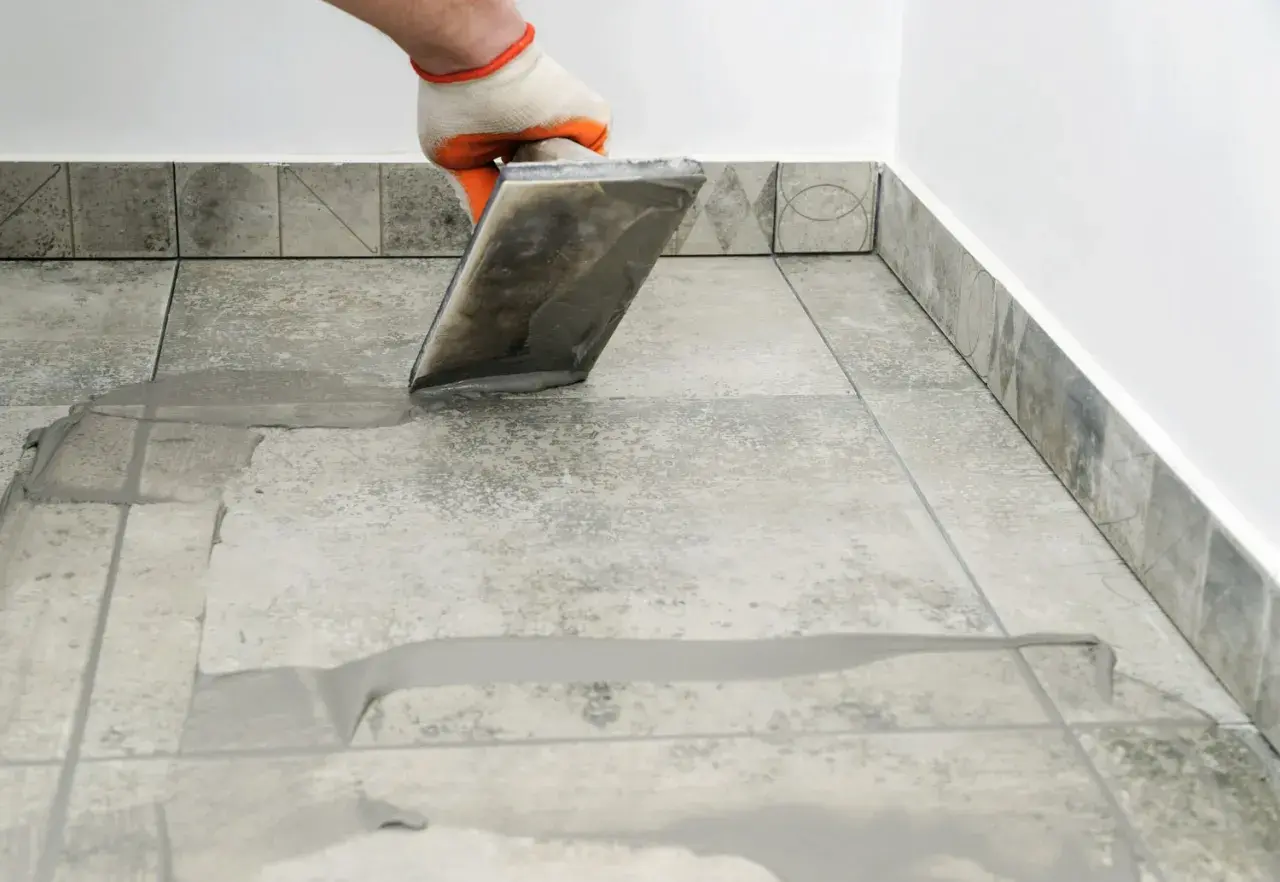
Fresh grout is one of those details that looks finished long before it actually is, and that gap matters in bathrooms, showers, and busy floors. The exact answer to how long for grout to dry depends on the product and the room, but a practical rule of thumb is 24 hours for light use, 48 to 72 hours before water exposure, and about 7 days for full cure. I am focusing on the difference between dry-to-touch, safe-to-use, and fully cured, because that is where most tile mistakes happen.
The safest grout timeline is the one that matches the product and the room
- 24 hours is the usual minimum before light foot traffic on many cement grouts.
- 48 to 72 hours is a better window before showers, splashes, or other water exposure.
- 7 days is the point I treat as full cure for many standard cement-based joints.
- Humidity, temperature, joint depth, and airflow can stretch or shorten that schedule.
- Epoxy and ready-to-use grouts often follow different timelines, so the label matters.
- Sealing should wait until the grout is actually cured, not merely firm on the surface.
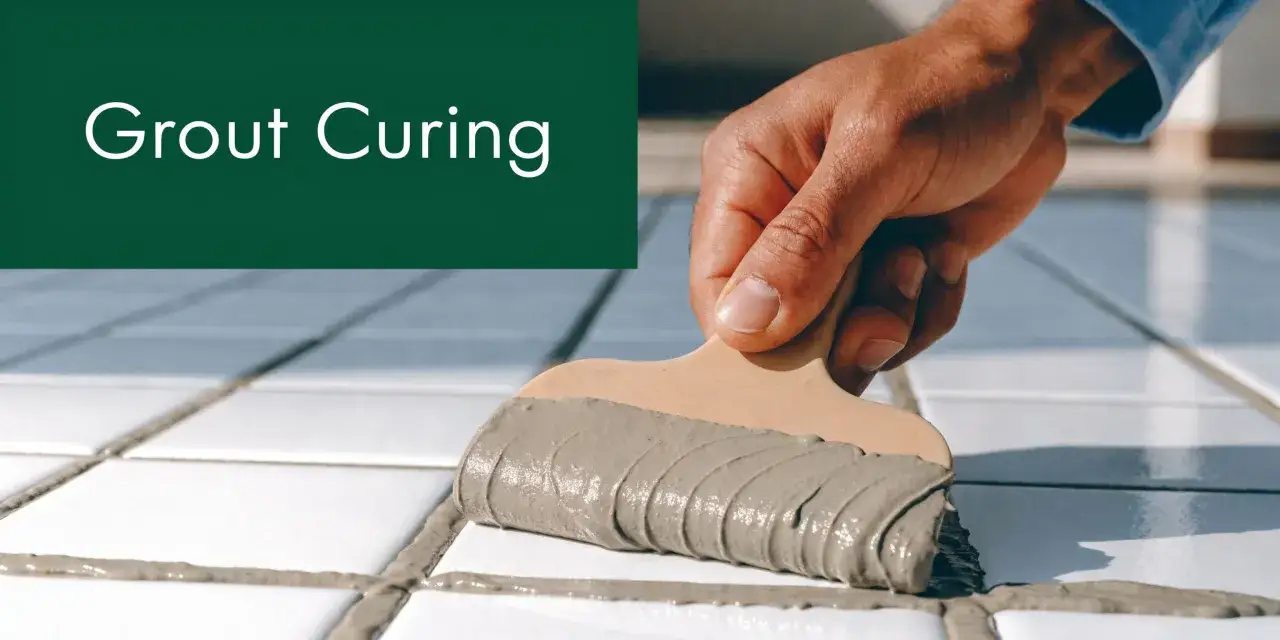
The timeline I use for fresh grout
I do not think about grout as one single drying event. Cement grout gains strength through hydration, which is the chemical reaction that binds the cement as it cures, and that means the surface can look ready before the body of the joint is truly stable. The first cleanup window is usually minutes, not hours, while the real use window is much longer.
| Stage | Typical wait | What it means in practice |
|---|---|---|
| Initial cleanup | 15 to 30 minutes after spreading | Remove haze and shape the joints before the grout firms up |
| Light foot traffic | About 24 hours | Safe for cautious walking on many standard installations |
| Water exposure | 48 to 72 hours minimum | Better for a shower, backsplash splashes, or damp cleaning |
| Full cure | About 7 days | The joint is much closer to its final hardness and durability |
| Sealing cement grout | 48 to 72 hours or per sealer label | Only after moisture has had time to leave the joint |
That baseline is useful, but it is still only a baseline. Once you know it, the next question is what actually speeds up or slows down the clock.
What changes the drying clock in a bathroom
Bathrooms slow grout down more than dry, open rooms do. Steam, poor airflow, and a damp substrate keep moisture in the joint longer, while warm, steady air helps it leave more predictably. In real jobs, I usually care more about the room conditions than the calendar printed on the bag.
- Humidity is the biggest variable in a shower or a small bath with weak ventilation.
- Temperature matters because cold rooms slow both evaporation and curing.
- Joint width and depth affect how much material is holding moisture inside the joint.
- Ventilation helps, but it should move air, not blast heat directly onto fresh grout.
- Moisture under the tile can trap dampness in the assembly and make the surface seem slower than expected.
- Product chemistry matters because different grout formulas dry and cure in different ways.
If the room is cool, humid, or closed up tight, I assume the long end of the range. That is why the chemistry of the grout matters as much as the room itself.
Cement, epoxy, and ready-to-use grout do not behave the same
People often ask whether sanded grout dries slower than unsanded grout. In practice, the formulation and the moisture conditions matter more than sand versus unsanded. Joint width matters indirectly because a wider or deeper joint holds more material, which can stretch the cure window.
| Type | Typical behavior | Best use | What to watch |
|---|---|---|---|
| Cement-based grout | Relies on hydration and evaporation; often ready for light use after about 24 hours and full cure around 7 days | Most floors, walls, and standard bathroom installs | Many versions should be sealed after curing, and early water exposure can weaken the joint |
| Epoxy grout | Cures through a chemical reaction and can become serviceable sooner, but the working window is short | Stain-prone areas, heavy-use surfaces, and some shower applications | Cleanup is less forgiving, and you should follow the product instructions closely |
| Ready-to-use grout | Air-dries by evaporation; many products allow light traffic after about 24 hours, water exposure after 3 days, and full hardness around 7 days | DIY-friendly projects and moderate-use bathroom surfaces | Needs airflow, and high humidity can slow it down more than homeowners expect |
I would not treat that table as a substitute for the label. It is a field guide, not a warranty. But it does explain why one bathroom can be ready quickly while another needs a much longer wait.
When the floor, shower, and sealer are actually safe
The calendar changes depending on what the tile surface has to survive next. A bathroom floor, a shower wall, and a grout line that will be sealed all have different thresholds, and I would rather wait a little longer than trap moisture too early.
- Floors: I usually allow about 24 hours before light foot traffic and closer to 72 hours before moving heavy items.
- Showers: I avoid direct spray for at least 48 to 72 hours on many cement grouts, and I often leave a full week when the room is humid or the product is slower.
- Sealers: Sealers protect cured grout; they do not speed up cure. Many cement grout sealers want at least 48 to 72 hours, and some work better after 7 days.
- Cleaning: A neutral cleaner is the right call in the first week. Vinegar, acid cleaners, and aggressive scrubbing are too harsh for fresh joints.
The main mistake I see is assuming a grout joint that feels firm to the touch is already ready for a hot shower. It is not the same thing. The safe-use window becomes clearer when you map it to the floor, the shower, and the sealer separately.
The mistakes that keep grout soft or patchy
Most slow-grouting problems are not mysterious. They come from water, timing, or ventilation mistakes that prevent the joint from curing evenly. A joint that looks blotchy or sandy is often telling you it was handled too early, not that it simply needs more time.
- Too much water in the mix: This weakens the joint, increases shrinkage, and can leave it soft for longer than it should be.
- Overwashing during cleanup: A sponge that is too wet can pull cement out of the joint and leave low spots or weak color.
- Poor ventilation: Closing the room up tight traps humidity and slows the cure cycle, especially in showers.
- Grouting over uncured thin-set: If the setting bed is still holding moisture, the grout has nowhere to dry properly.
- Premature sealing: Sealing too early can trap moisture and affect both color and performance.
- The wrong product for the job: A formula that is fine for a dry backsplash may be the wrong choice for a steam-heavy shower floor.
The easiest way to avoid those problems is to treat the first day as a finishing stage and the next several days as a curing stage. If you do that, the odds of a clean, stable joint go up fast.
What to do if grout is still soft after two or three days
If the grout still feels soft, I first ask whether it is simply curing slowly or whether something went wrong during installation. Not every damp-feeling joint is a failure, but softness after several days deserves attention.
- If it is only slightly cool or damp: Improve airflow, keep water off the area, and give it another 24 hours.
- If it is chalky or rubs off like sand: The mix may have had too much water, or the joints may have been overwashed.
- If it is cracking or shrinking: Movement, excess water, or the wrong grout type may be the real issue.
- If it still feels wet after a week: Stop treating it like a simple drying delay and inspect the installation conditions.
At that point, I would not keep testing it with showers or cleaners and hope for the best. I would look at ventilation, substrate moisture, and application quality before assuming the grout just needs a few more hours.
The first week is where fresh grout needs the most restraint
When I plan a bathroom finish, I treat grout like any other surface material with a real cure cycle. That first week is where the joint either settles cleanly or gets stressed before it is ready.
- Run the exhaust fan or dehumidifier to keep the room moving air.
- Keep showers, splashes, and steam off the grout until the minimum water-exposure window has passed.
- Avoid bleach, vinegar, and scrub pads during the early cure period.
- Let the color settle before judging the final look, because fresh grout often evens out as it cures.
- Seal only if the grout type calls for it, and only when both the grout and sealer are ready.
Give the joints air, keep water off them for the first few days, and let the product set on its own schedule; that is usually the difference between grout that just looks done and grout that stays tight, clean, and even for years.