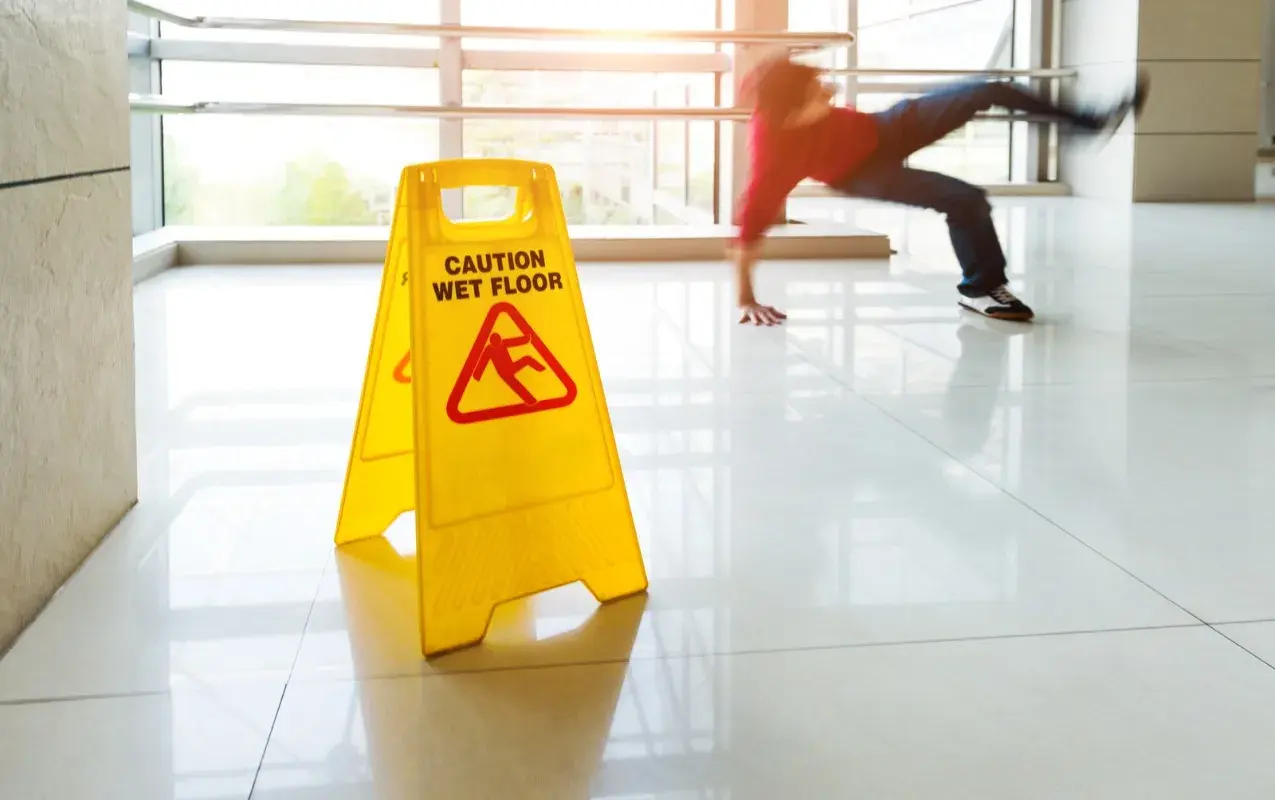
Key points to keep in mind when comparing tile slip resistance
- DCOF measures traction in motion, which is more relevant to walking than a simple static grip check.
- In the U.S., 0.42 is the common wet baseline for certain level interior floors expected to get walked on when wet.
- A tile can meet that number and still be a poor choice for a shower floor if the surface, slope, or maintenance plan is wrong.
- For barefoot wet areas, I usually want a more conservative traction target than the bare minimum.
- Finish, grout joints, cleaning habits, and drainage often change real-world performance as much as the number on the spec sheet.
What the DCOF number really measures
DCOF stands for dynamic coefficient of friction, which is a technical way of describing how much traction a surface gives while something is already moving across it. On tile, that means the test is trying to simulate a foot stepping forward, not just standing still and pressing down. I treat that difference as important, because a floor can feel fine under one kind of contact and much less secure under another.
In practical terms, a higher wet DCOF usually suggests better slip resistance in the same test method, but it is not a magic safety score. A matte porcelain tile, a lightly textured ceramic, and a polished stone-look surface can all behave differently even if their numbers are close. That is why I use DCOF as a comparison tool, not as a promise. Once that distinction is clear, the next question is how the number is actually produced.How the wet test works and why 0.42 matters
The wet DCOF value comes from a standardized lab method, which is useful because it gives you a consistent way to compare products from different manufacturers. The U.S. tile standard commonly points to a minimum wet DCOF of 0.42 for level interior surfaces expected to be walked on when wet with water. That is a helpful baseline, but it is still just a baseline.
I think of 0.42 as the floor, not the finish line. It tells me a tile clears the minimum threshold for a narrow use case, but it does not automatically make that tile right for every bathroom, shower, laundry room, or entryway. For barefoot wet zones and standing-water areas, I usually want a more conservative margin, often around 0.60 or better, depending on the exact room and how it will be used. That is why room context matters so much more than a single lab result.

Where the number matters most in a home
The same tile can be reasonable in one room and questionable in another. Here is how I usually read the number by space:
| Space | What I look for | How I read the DCOF |
|---|---|---|
| Bathroom floor | Occasional splash, wet feet, and easy cleaning | 0.42 may be enough for a controlled floor, but I still lean toward matte or lightly textured finishes. |
| Shower floor | Barefoot use, soap residue, standing water, and a sloped surface | I want more than the minimum. Tile choice should work with drainage and grout joints, not just the number. |
| Kitchen | Spills, wet shoes, and frequent cleaning | The floor should balance traction with wipeability, because a surface that traps grime becomes annoying fast. |
| Laundry or mudroom | Detergent, tracked-in moisture, and grit | A durable matte surface usually performs better than a glossy one that looks nice in daylight but feels slick when damp. |
| Entry or transition area | Wet footwear and dirt from outside | Moderate texture is usually the sweet spot. Too smooth feels risky; too rough can be hard to keep clean. |
| Covered patio | Weather, debris, and occasional puddles | Do not rely on the indoor benchmark alone. Exterior suitability, slope, and local weather matter just as much. |
The pattern is simple: the wetter the environment and the more barefoot the use, the less I trust the minimum number by itself. That is where many buyers get misled, because the rating is only one piece of a much bigger safety picture.
What the rating does not tell you
This is the part people skip, and it is where the mistakes usually happen. A tile is not slip-proof, even when it posts a respectable wet number. The lab result does not erase the effect of shampoo, conditioner, body oils, cooking grease, floor cleaner residue, or the kind of soap film that builds up quietly over time.
It also does not tell you how the tile will feel in every real room. A glossy finish can be acceptable on a bathroom wall and still be the wrong choice on the floor. Large-format tiles may look clean and modern, but in a shower pan they reduce grout lines, which can remove some of the traction and drainage help that smaller tile naturally gives. Slope and installation quality matter too: if the substrate is uneven or the floor does not drain well, even a decent DCOF value will not save the design. Once you know those limits, choosing becomes more of a room-design exercise than a spec-sheet hunt.How I would choose tile for a bathroom or shower
When I am choosing tile for a wet interior space, I work through the decision in a very specific order:
- Define the zone first. A main bathroom floor, a shower floor, and a tub surround are not the same problem.
- Check the exact finish. Polished, honed, matte, and textured versions of the same collection should not be treated as interchangeable.
- Ask for the wet DCOF value and confirm that it applies to the exact tile you are buying, not just the collection name.
- For shower floors, prefer smaller formats or mosaics when possible, because more grout joints usually improve footing and make the slope work better.
- Think about maintenance before you fall in love with a look. A rough surface can be safer, but if it traps grime, it becomes frustrating in daily use.
- If the room will be used by kids, older adults, or frequent guests, I lean more conservative and choose a surface with extra traction margin.
If I had to simplify the whole process, I would say this: I would rather choose a slightly less glossy tile that cleans well and feels secure than chase a fashionable finish that looks impressive in photos and becomes fussy in real life. Before I buy, I check one last thing on the spec sheet.
A spec-sheet habit that saves you from the wrong floor
My fastest filter is to read the product sheet in the same order every time:
- Does it list a wet DCOF value, not just a marketing phrase like “anti-slip”?
- Is the rating tied to the exact finish and size I am considering?
- Does the product say where it is intended to be used, such as level interior wet areas, shower floors, or exterior spaces?
- Will my cleaner, sealer, or maintenance routine change the surface feel over time?
- Would I still like it if the floor were wet, sandy, and under bathroom lighting instead of showroom lighting?
If the answers are clear, I can usually move forward with confidence. If they are vague, I keep looking, because the safest tile choice is rarely the one with the flashiest finish. It is the one that balances traction, cleaning, and the way the room actually gets used.