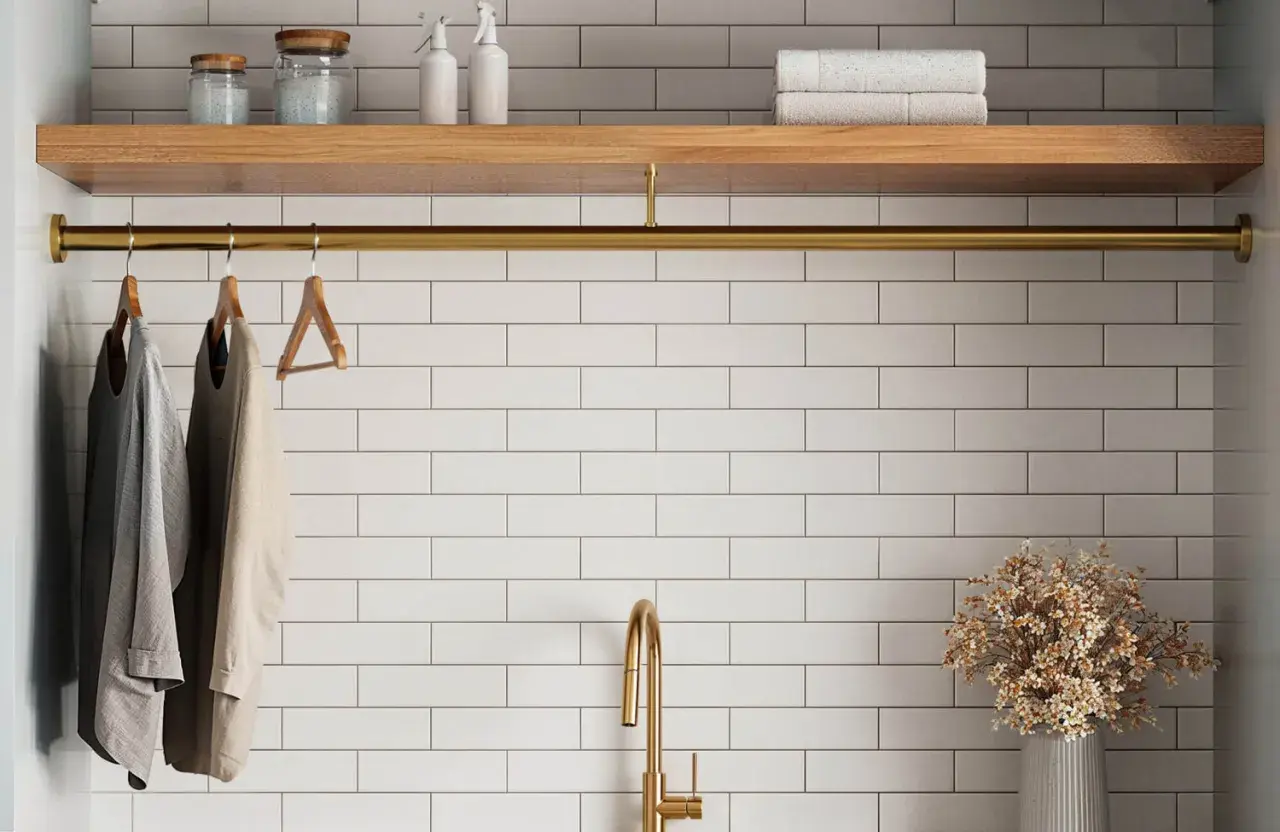
White tile and beige grout can shift a room from crisp to calm in one move. The white tile beige grout combination softens hard edges, adds warmth, and gives the surface a more finished, lived-in feel, but the result depends on the tile undertone, the joint width, the grout formula, and how much contrast you actually want. In this guide, I focus on where the pairing works best, how to choose the right beige, and what matters once the tile is installed.
What matters most when you pair white tile with beige grout
- Beige grout reduces contrast, which makes white tile feel warmer and less clinical.
- The best results usually come from matching the grout undertone to the tile, not just the room palette.
- Joint width changes the look more than most people expect; wider joints make the grout read more clearly.
- Shower walls and floors benefit from stain-resistant or no-seal grout formulas.
- Sample boards matter because the same beige can look creamy, sandy, or muddy depending on light and tile finish.
Why beige grout changes the mood of white tile
I like this pairing because it keeps white tile from feeling sterile. Beige grout still defines the shape of each tile, but it does so with a softer edge than bright white or dark gray, so the surface reads as calm instead of graphic. Custom Building Products points out that grout color can either blend with the tile or act as an accent, and that small choice has a real impact on the finished room.
In practice, beige grout is useful when you want the tile pattern to stay visible without looking harsh. It works especially well on subway tile, square tile, hex tile, and any surface where you want a gentle grid rather than a strong outline. If the tile itself is a cool, bluish white, I would avoid a beige that leans too yellow. That is the quickest way to make the tile look off instead of warm.
| Desired look | What beige grout does | Best fit |
|---|---|---|
| Softer and spa-like | Lowers contrast and smooths the tile field | Shower walls, tub surrounds, vanity backsplashes |
| Traditional and inviting | Adds warmth without making the layout busy | Subway tile, wainscoting, classic bathroom walls |
| More forgiving day to day | Hides minor dust and wear better than bright white grout | Family bathrooms, floors, secondary baths |
The main trade-off is simple: beige grout is softer, but it is not invisible. If you want a nearly seamless white field, white grout still wins. If you want definition with a little warmth, beige is the better middle ground. That balance becomes even more important when you decide where to use it.
Where this pairing looks strongest in a bathroom
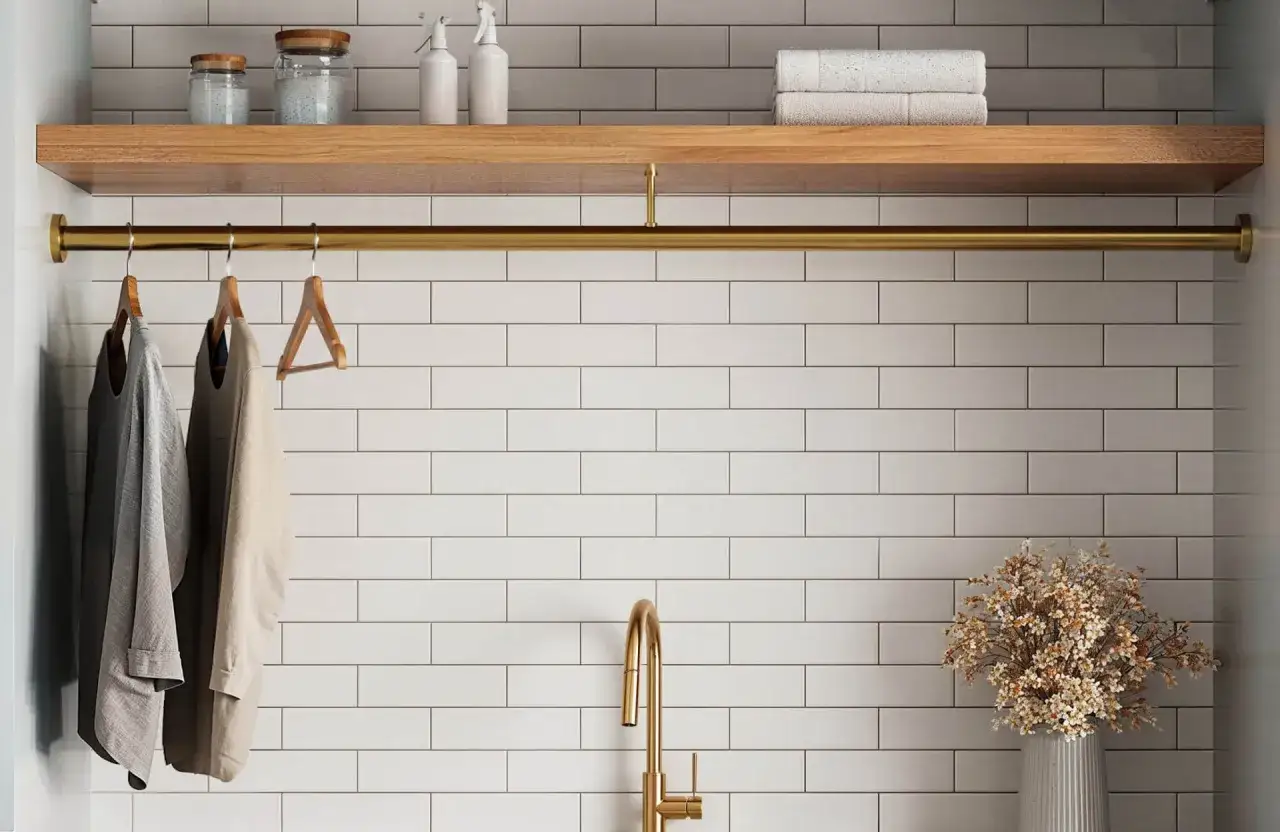
White tile with beige grout is at its best when the room needs warmth, not drama. I reach for it most often on shower walls, tub surrounds, and backsplash areas because those surfaces benefit from a little visual texture without becoming loud. On a larger wall, the beige lines stop the tile from feeling flat; on a smaller backsplash, they keep the room from looking too stark against stone, wood, or brass.
| Bathroom area | Why beige grout works there | What to watch |
|---|---|---|
| Shower walls | Softens a large vertical surface and feels less clinical | Use a grout that handles moisture and regular cleaning well |
| Floor tile | Reduces the sharpness of every joint line and hides everyday dust better | Choose a formula that resists staining and abrasion |
| Vanity backsplash | Pairs neatly with warm woods, quartz, and brushed metals | Test against countertop and hardware finishes first |
| Tub surround | Keeps the room bright but not icy | Avoid a beige that clashes with the tub color or caulk line |
This combination is especially strong in transitional, coastal, and softened modern interiors. If the rest of the bathroom is already minimal and cool, I sometimes prefer a whiter grout for a sharper look. But if the room uses oak, natural stone, linen textures, or brass, beige grout usually feels more intentional. Once you know the right room, the next question is which beige actually belongs there.
How to choose the right beige undertone
Not all beige grout behaves the same way. I think of it in three families: creamy beige, sandy beige, and taupe-beige. Each one changes the mood of white tile in a different direction, and the wrong undertone can make a clean installation look strangely dated or mismatched.
| Beige family | Visual effect | Best with |
|---|---|---|
| Creamy beige | Softest and closest to off-white | Warm white tile, brass fixtures, oak vanities |
| Sandy beige | Balanced and neutral, with a natural warmth | Classic subway tile, quartz counters, chrome or nickel finishes |
| Taupe-beige | More contrast, a slightly moodier read | Matte tile, larger formats, black or mixed-metal accents |
I do not trust a grout chart on its own. I want a sample board with the exact tile, the grout, the countertop, and at least one metal finish sitting together in the same light. That is the only reliable way to see whether the beige feels warm, dusty, yellow, or flat. If your bathroom gets strong daylight in the morning and warmer artificial light at night, check both. A grout that looks perfect in a showroom can shift once it lands in a real room.
One practical rule: if the white tile has a cool base, choose a beige with a little gray in it. If the tile already reads warm, a creamier beige usually looks cleaner. That choice also affects the grout formula you should use.
The grout formula matters as much as the color
For this kind of design decision, I do not separate color from performance. A beautiful beige grout that stains easily is a maintenance problem waiting to happen, especially in a shower or on a bathroom floor. Custom Building Products offers stain-resistant single-component and epoxy grouts that do not require sealing, which is why those products are often a smart fit when you want a warm grout color with less upkeep.
| Grout type | What you get | Trade-off | Best use |
|---|---|---|---|
| Cementitious grout | Good color range, familiar install, often lower upfront cost | Usually needs more care and may need sealing depending on the product | Dryer walls, standard bathrooms, budget-conscious projects |
| Single-component grout | Strong stain resistance and consistent color | Costs more than basic cement grout | Showers, floors, busy family bathrooms |
| Epoxy grout | Excellent stain and chemical resistance, very stable color | Harder to work with and usually the most expensive | High-use showers, floors, and areas that need maximum durability |
For narrow grout lines, products intended for joints up to 1/8 inch are often the right category; wider lines usually need a sanded or performance grout that can pack properly. In real projects, I care less about the label and more about whether the formula matches the joint width, the moisture level, and the amount of traffic the surface will take. A pretty color cannot fix the wrong material choice.
Installation details that change the final look
The same beige can look elegant in one bathroom and messy in another if the installation is uneven. Joint width is the first detail I check. A narrower joint makes the tile field feel cleaner and more seamless, while a wider joint makes the grout more visible and gives beige a bigger role in the design. As a rule of thumb, the actual joint should reflect the tile’s size consistency, not just the look you hoped for on paper.
Tile edge shape matters too. Square-edge and rectified tile tend to produce a crisp, modern result, while beveled or handmade tile creates a softer, more forgiving line. That is one reason beige grout often looks so good on zellige-style or slightly irregular tile: the grout and the surface texture work together instead of fighting for attention.
- Do not choose grout color from a small chip alone. Ask for a board or test section with the actual tile.
- Keep the wash water consistent. Too much water or inconsistent cleanup can lighten cement grout and create blotchiness.
- Pay attention to haze removal. Beige haze can dull white tile fast if it is left behind.
- Respect the tile’s size variation. Extremely tight joints can look clean on day one and fail visually once the grout cures.
When I am reviewing a sample, I look at it from standing distance and from close up. Beige grout should still define the pattern, but it should not call attention to itself because of uneven color, rough edges, or haze. That is why the install details matter just as much as the color choice.
Keeping beige grout clean over time
Beige grout is easier to live with than bright white, but it still needs care. I prefer a simple routine: ventilate the room well, wipe down wet surfaces when you can, and use a mild cleaner that is safe for the grout type you chose. For cementitious grout, Mapei recommends sealing after the grout has cured for 24 to 72 hours, depending on the manufacturer’s instructions, and I would always follow the product label rather than guessing.For showers, the biggest enemy is slow buildup, not one dramatic stain. Soap residue, hard-water marks, and body oils can slowly shift a warm beige into something duller. The fix is usually boring but effective: consistent cleaning, decent ventilation, and a grout formula that fits the room in the first place.
- Use pH-neutral cleaners for regular maintenance unless the product manufacturer says otherwise.
- Check corners, seams, and the caulk line where buildup tends to start.
- If the grout is cement-based and the product requires it, reseal on the recommended schedule.
- If the joints are sound but discolored, a grout colorant can refresh the color instead of replacing the entire joint.
I would not use a colorant to hide failing grout, but it is a useful option when the problem is cosmetic rather than structural. That distinction saves time and keeps the surface looking intentional instead of patched. The last step is making sure the whole composition feels designed, not accidental.
The details that make it feel custom
When I want white tile to feel calm rather than sterile, beige grout is often the simplest move. The trick is to treat it as a design decision, not a default: match the undertone, respect the joint width, and choose a formula that fits the room’s moisture level and traffic. When those three pieces line up, the surface looks quieter, warmer, and more expensive without trying too hard.
- Choose creamy beige if you want the softest, most subtle result.
- Choose sandy beige if you want a balanced look that works with most bathroom finishes.
- Choose a slightly deeper taupe-beige if the tile needs more definition.
- Test everything together under bathroom lighting before you commit.
That is usually the point where the room stops feeling like a collection of parts and starts reading as one decision. For me, that is the real strength of white tile with beige grout: it gives you enough contrast to shape the tile pattern, but not so much that the bathroom feels hard or overdesigned.