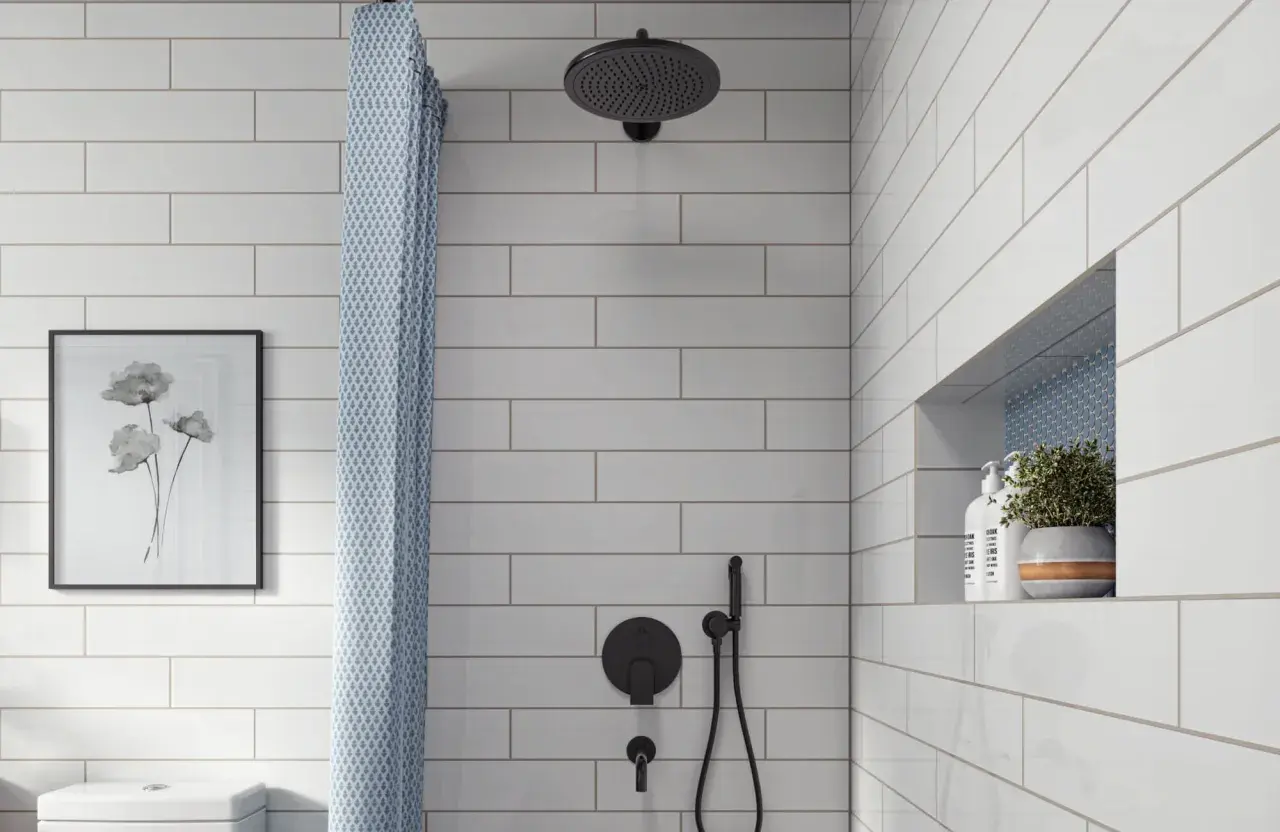
What matters most before you choose the grout
- Light gray adds subtle contrast, so the tile pattern reads clearly without looking harsh.
- It is usually more forgiving than bright white grout in showers, backsplashes, and other busy areas.
- The exact shade matters as much as the tile itself; cool and warm grays create different results.
- Joint width, tile finish, and layout can make the same grout look lighter or darker.
- For cement-based grout, sealing and routine cleaning are part of the design decision, not an afterthought.
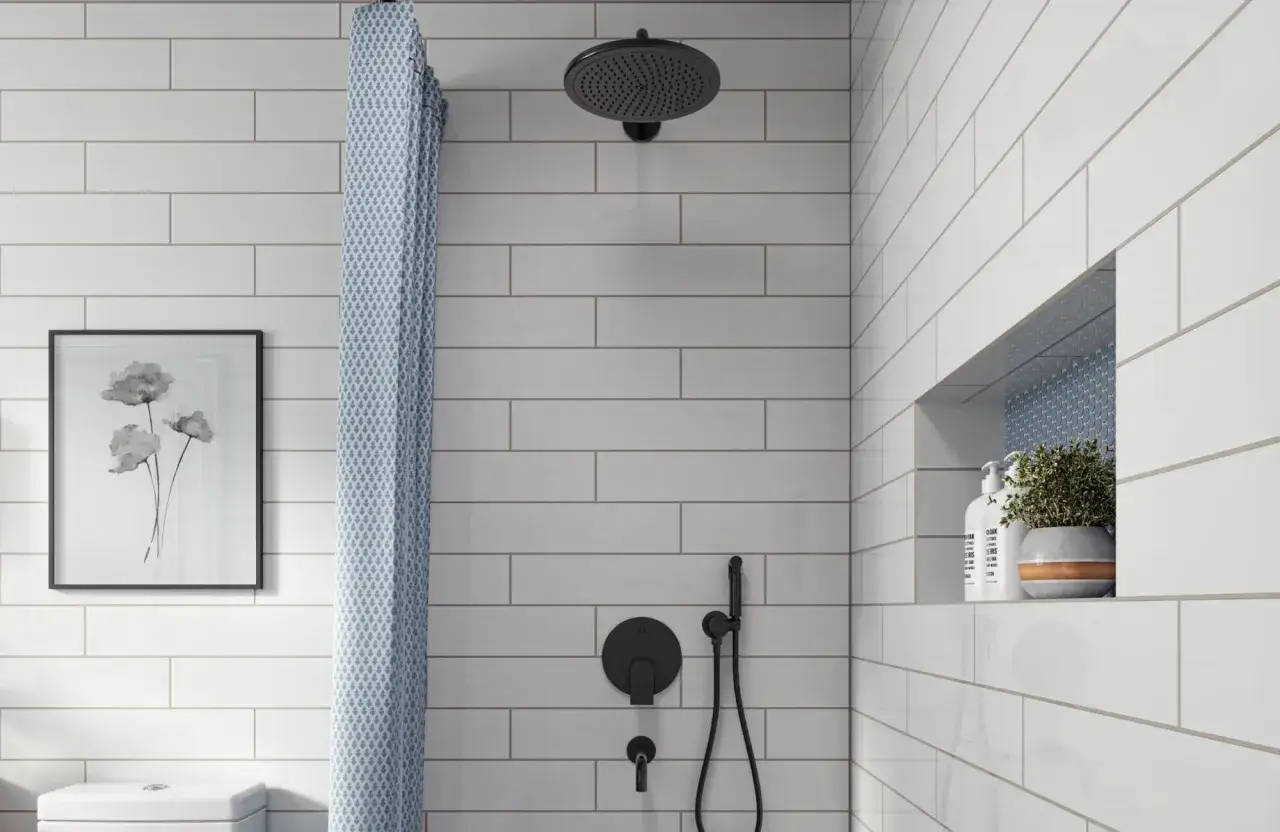
Why light gray grout gives white subway tile more depth
I like this combination because it solves a common problem: pure white grout can make subway tile read a little too seamless, while dark grout can turn the wall into a grid. Light gray sits between those extremes. It outlines each tile just enough to show the pattern, but it still feels calm, bright, and easy to live with.
That balance matters in real rooms. In strong daylight, white grout can disappear; in dimmer bathrooms, it can start to look dull or dirty faster than people expect. A soft gray line gives the surface a little structure, so the wall or backsplash keeps its shape even when the lighting changes throughout the day. On a classic running-bond layout, the effect is subtle. On a stacked pattern, the same gray reads more architectural and modern.
If your goal is a polished but not flashy finish, this is one of the safest design choices I know. It looks deliberate without demanding attention, which is exactly why it ages well. That leads naturally to the next question: where does it actually work best?
Where this combination works best in bathrooms and kitchens
White subway tile with light gray grout is especially strong in rooms that need to look clean, but also have to handle real use. In my experience, it performs best where you want the surface to stay bright without becoming high-maintenance.
| Space | Why it works | What to watch for |
|---|---|---|
| Shower walls | Soft contrast keeps the tile from looking flat and hides everyday soap residue better than white grout. | Use a grout system suited to wet areas and make sure the installation is properly sealed and maintained. |
| Kitchen backsplashes | It looks clean behind counters and does not show splashes as quickly as bright grout. | Grease and cooking film still build up, so wipe it regularly rather than waiting for a deep clean. |
| Tub surrounds | The color adds detail without fighting fixtures, mirrors, or painted walls. | If the bathroom is very small and dark, test the shade first so the grout does not look heavier than expected. |
| Bathroom floors | It gives the tile some shape and handles foot traffic better than white grout. | On floors, a slightly deeper gray may be more practical if the area sees frequent use. |
The key is moderation. If the rest of the room already has a lot of visual texture, light gray grout keeps the tile from competing with it. If the room is very plain, the grout can become the detail that gives the surface character. From there, the real difference comes down to shade selection.
How to choose the right shade of gray
Not all grays behave the same way. A cool gray, a warm gray, and a middle gray can all look good on paper, then read very differently once they hit your actual tile and lighting. I always tell people to treat grout color like paint color: the sample matters more than the label.
| Grout shade | Best when | Visual effect |
|---|---|---|
| Cool light gray | The tile is a crisp white and the room has daylight, chrome, or nickel finishes. | Clean, modern, and slightly sharper in outline. |
| Warm light gray | The tile leans creamy or the room has wood, brass, or warmer wall colors. | Softer and more relaxed, with less visual contrast. |
| Mid-light gray | You want a little more definition and a bit more forgiveness in busy spaces. | More visible tile pattern and better camouflage for everyday wear. |
A simple test helps more than guesswork: hold the tile and grout sample together in morning light, then again at night under your actual fixtures. What looks like a delicate gray in the store can turn much cooler under LED lighting or much warmer near wood cabinetry. I also watch for undertones. If the tile is a true bright white, a cooler gray usually feels crisp. If the tile is off-white, a warm gray often looks more natural.
That practical testing step matters even more once joint width and tile finish enter the picture.
Joint width, pattern, and tile finish change the final read
The same grout can look almost invisible in one installation and obviously defined in another. Joint width is part of the design, not just the install. For cementitious grout, the Tile Council of North America generally ties the grout type to the joint size: joints smaller than 1/8 inch typically call for unsanded grout, while joints 1/8 inch and larger usually use sanded grout. That rule affects both performance and the final appearance.
With narrow joints, light gray stays restrained and lets the tile do the talking. With wider joints, it becomes more noticeable and gives the wall a stronger grid. If you want a quiet, continuous field of tile, keep the joints tight and the gray pale. If you want the subway pattern to read more clearly, a slightly wider line will do that for you.
Finish matters too. Glossy white tile reflects more light, which can make gray grout appear lighter and cleaner. Matte or satin tile absorbs more light, so the same grout looks a little richer and more grounded. Handmade-look subway tile adds another wrinkle: because the edges are less uniform, a very pale gray may show small variations more visibly than you want. In those cases, I often prefer a slightly deeper gray because it hides minor irregularities better.
In short, the tile, the joint, and the finish all change the final effect. That is why grout color should never be chosen from a tiny chip alone. It also explains why grout type and sealing deserve equal attention.
Choose the grout type and sealer before you fall in love with the color
Color gets all the attention, but grout chemistry decides how the surface actually performs. Cement-based grout is still the most common choice for white subway tile, but it is porous and benefits from sealing. Epoxy grout is more stain resistant and easier to keep clean in wet or greasy areas, but it usually costs more and is less forgiving to install. Pre-mixed products can be convenient, but compatibility with the tile, joint size, and location should be checked carefully before you commit.
| Grout type | Best for | Main tradeoff |
|---|---|---|
| Unsanded cement grout | Narrow joints, many wall installations, and delicate tile edges | Porous unless sealed and not ideal for wider joints |
| Sanded cement grout | Joints at or above 1/8 inch and more durable applications | Can feel rougher and is not always suitable for fragile surfaces |
| Epoxy grout | Showers, high-moisture zones, and places where stain resistance matters most | Higher material cost and a more demanding install |
For cement grout, sealing is worth the effort. A good penetrating sealer helps reduce staining and makes routine cleaning easier. I would still avoid overpromising here: a sealer helps, but it does not make grout maintenance-free. Let the grout cure fully before sealing, follow the product instructions, and recheck it over time in areas that get heavy moisture or frequent cleaning.
For most bathrooms and backsplashes, that is the real tradeoff. A slightly better grout system saves you more frustration than chasing the perfect shade ever will. From there, maintenance becomes much simpler.
Keep the surface clean without dulling the finish
Light gray grout is forgiving, but it is not invisible. If you want the tile to stay fresh, you need a routine that protects the grout without wearing it down. I keep the approach simple: use pH-neutral cleaners when possible, avoid harsh bleach-heavy scrubs for normal maintenance, and clean spills before they dry into the joints.
- Wipe backsplashes after cooking so grease does not film over the grout.
- Squeegee or towel-dry shower walls when you can, especially around soap shelves and corners.
- Use a soft brush for grout lines instead of abrasive pads that can rough up the surface.
- Check sealed cement grout periodically by seeing whether water still beads on the surface.
- Spot-clean mildew or discoloration early rather than waiting for it to spread through the joint.
Why this pairing tends to age well in real homes
When I narrow the options down, I usually come back to light gray because it stays balanced. It is softer than black, more practical than white, and less trend-dependent than a bold colored grout. In a bathroom or kitchen, that combination matters more than people think, because the best finish is the one you can live with after the renovation excitement fades.
My rule is straightforward: choose the palest gray that still gives you a clear line between tiles. If you want the wall to feel almost seamless, lean lighter. If you want a little more structure and a little more forgiveness, go one step deeper. Then test it on an actual sample board with the tile, the grout, the lighting, and the joint width you plan to use. That small step usually saves the biggest regrets.
For most homeowners, this is the safest middle path. It keeps white subway tile bright, gives the surface definition, and handles everyday life better than a stark white joint. If you get the shade, joint width, and grout type right, the result feels clean on day one and still looks considered years later.