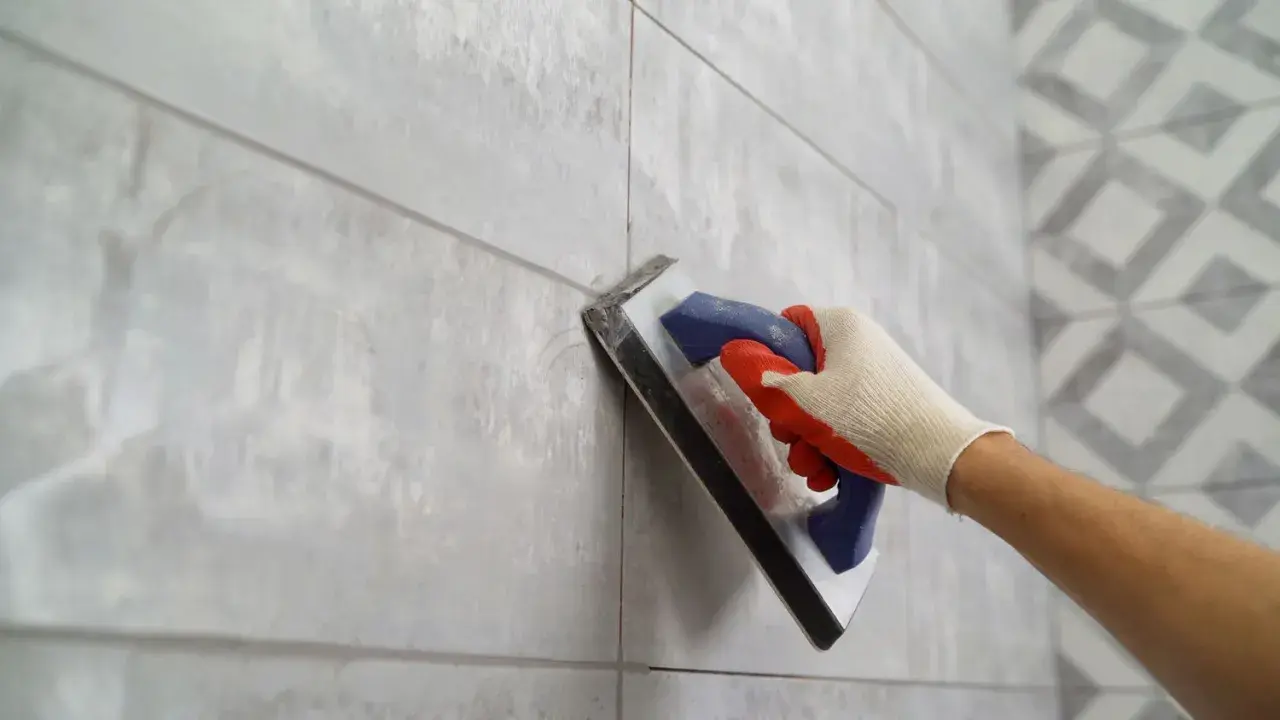
When people ask me for the best grout for shower floor work, I usually start with epoxy, then work backward from tile size, joint width, and how much maintenance they are willing to live with. The wrong grout does not just look worse sooner; it can make a shower harder to clean, more likely to stain, and less forgiving around tight mosaics and sloped drainage areas. This guide breaks down the options in practical terms so you can choose a grout that fits the floor, the installer, and the way the shower will actually be used.
The safest choice is the grout that can handle water, soap residue and daily scrubbing
- Epoxy grout is the strongest all-around choice for most shower floors.
- High-performance cement grout is the best balance of cost, ease, and durability for many homes.
- Joint width matters: narrow joints usually call for unsanded or fine-joint formulas, while wider joints can take sanded grout.
- Grout is not waterproof; the waterproofing system below the tile matters more than the grout itself.
- Ready-to-use products can work well, but only if the specific product is approved for shower-floor conditions.
Why shower floors punish grout harder than walls
A shower floor lives in the harshest part of the bathroom. Water sits longer in the low spots, soap scum collects in the grout lines, and the floor gets scrubbed far more often than the walls. Add constant temperature swings, daily foot traffic, and the fact that small mosaic tile means a lot of grout surface area, and you get a surface that punishes weak grout fast.
That is why I never treat floor grout as a cosmetic choice. It needs to resist moisture, hold color, and stay clean enough that you are not fighting mildew every weekend. Once you see the floor that way, the next question is which grout chemistry actually survives it.
The grout types I would actually consider
I narrow the field to four categories. In practice, two of them do most of the real work on a shower floor, one is a decent middle ground, and one is a compromise I only use when the budget is tight.
| Grout type | Best for | Why I use it | Tradeoffs |
|---|---|---|---|
| Epoxy grout | Most shower floors | Very low porosity, strong stain resistance, stable color, no sealing required | Higher price, shorter working time, cleanup is less forgiving |
| High-performance cement grout | Good-value remodels | Easier install than epoxy, good durability, better performance than basic cement grout | Still more porous than epoxy, and sealing may still matter depending on the product |
| Single-component / ready-to-use grout | DIY-friendly floors | No mixing, consistent color, often no sealing required | Not every formula belongs in every wet area, so I check the shower-floor rating carefully |
| Traditional cement grout | Budget projects | Lowest upfront cost and widely available | More maintenance, more staining, and it is rarely my first choice for a primary shower floor |
On the money side, I usually think in ballparks rather than exact stickers. For a small U.S. shower floor, materials often land around $20-$40 for basic cement grout, roughly $50-$120 for premium high-performance or ready-to-use formulas, and about $80-$200+ for epoxy kits depending on coverage and brand. That spread is why I look at the whole project, not grout price alone. Once you narrow the chemistry, the next filter is joint width and tile face.
How joint width and tile type narrow the field
I always check the tile layout before I pick a product. A shower floor built from 2-inch mosaics, for example, gives you lots of joints and a lot of visual movement, while a larger format porcelain floor with tighter joints puts different demands on the grout.
- For joints from 1/16 inch to 1/8 inch, I look at unsanded grout, a fine-joint epoxy, or a single-component formula that explicitly allows narrow joints.
- For joints at 1/8 inch and wider, sanded or high-performance sanded grout becomes practical and often more stable.
- On polished stone, glass, or very soft tile, sanded grout can scratch the surface, so I test first or move to a smoother formula.
- For penny tile and other mosaic floors, color consistency matters because the grout lines dominate the look and the cleaning load.
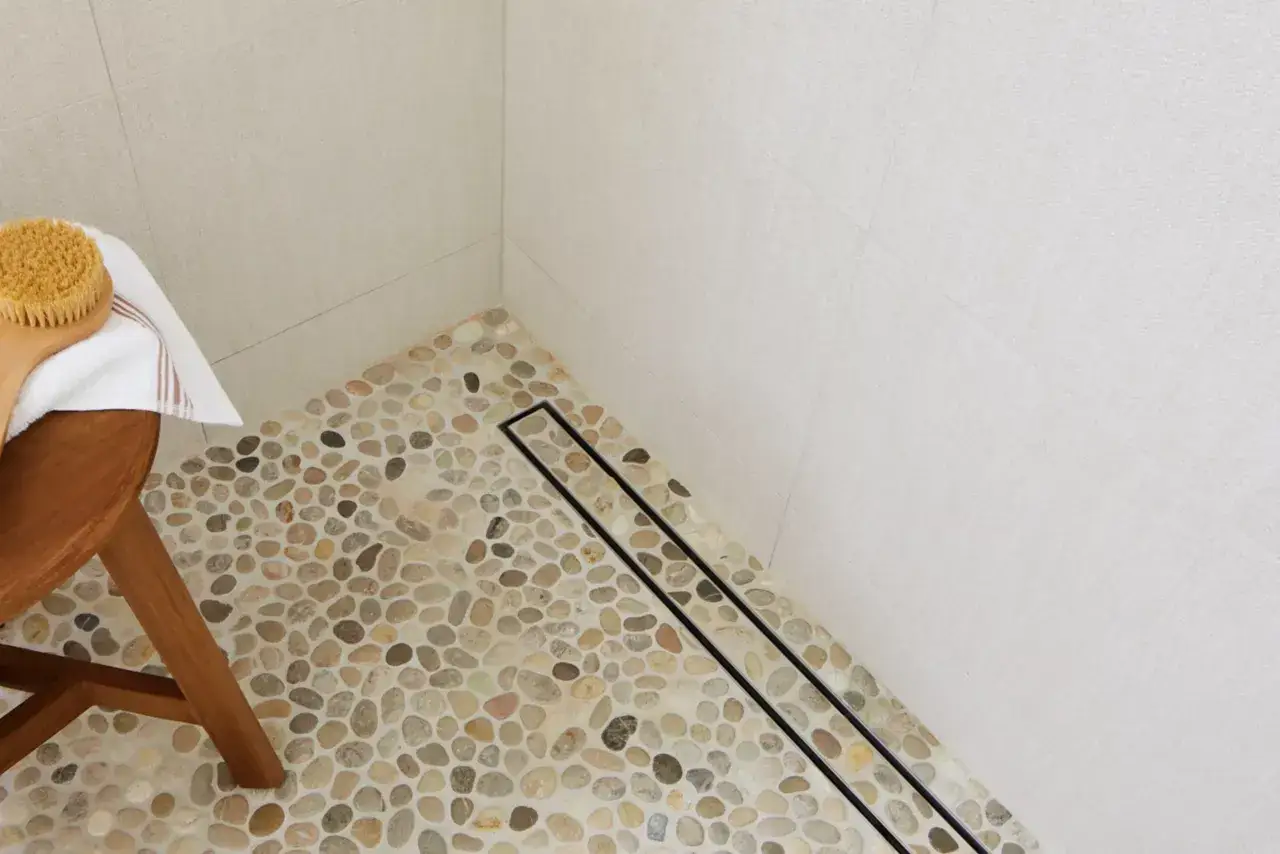
- For pebble floors, I am conservative: some ready-to-use grouts are not the right fit, so I check the product data sheet instead of assuming they all work.
The reason I care about this is simple: the strongest grout in the catalog still fails if it does not match the joint width or the surface it is sitting against. That takes us straight into the part people often misunderstand most, which is sealing and waterproofing.
Sealing, waterproofing and maintenance are not optional details
This is where a lot of remodels go sideways. Grout does not waterproof a shower floor, and neither do the tiles on top of it. The waterproofing belongs below the tile in the membrane or shower system, because that is what stops moisture from reaching the substrate.
MAPEI’s guidance is consistent with what I see on jobsites: sealing cement grout can help with stain control, but it is not a substitute for waterproofing. Epoxy grout changes the maintenance picture because it is far less porous and does not need sealing, but it still is not the thing that makes the assembly waterproof.
- Seal cement grout only if the product allows it or recommends it.
- Do not assume every ready-to-use grout belongs in a shower floor; some are fine for intermittent wet areas, others are not intended for continuous wet exposure.
- Use a pH-neutral cleaner and a soft brush so you are not grinding away the surface finish.
- Keep the shower ventilated and squeegee standing water if you want grout lines to stay cleaner longer.
- Use flexible caulk, not grout, at changes of plane such as wall-to-floor transitions and corners.
If I had to choose one maintenance habit that pays off, it would be ventilation. A good grout helps, but dry air and a clean rinse cycle do just as much work over time. From there, the real question becomes which option I would choose in the most common shower-floor scenarios.
What I would choose in common shower-floor scenarios
When I am choosing for an actual home, I do not start with the fanciest label. I start with the floor pattern, who is installing it, and how much cleaning the homeowner will tolerate. That usually leads to one of these answers.
| Situation | My pick | Why |
|---|---|---|
| Family shower with 1- to 2-inch mosaic porcelain | Epoxy grout | Best stain resistance and the lowest long-term maintenance |
| Budget remodel with moderate joints | High-performance cement grout | Better value, easier install, still strong enough for daily use |
| DIY project by a careful homeowner | Ready-to-use single-component or premium cement grout | Less mixing stress, but only if the product is approved for shower floors |
| Natural stone or soft tile | Unsanded or fine-joint epoxy | Reduces the risk of scratching and keeps the look cleaner |
| Pebble shower floor | Epoxy or a product specifically approved for pebble floors | Lots of joints and texture make cleanability the deciding factor |
I would not choose a generic bargain grout for any of these unless the shower is secondary and the owner knows maintenance will be part of the deal. The right material makes the shower easier to live with, not just easier to install. That leaves one last question: if performance matters most, which option actually earns the top spot?
The choice I trust most when performance matters
If I have to make a single recommendation, I choose epoxy grout for most shower floors. It gives me the best mix of stain resistance, moisture resistance, color stability, and long-term cleanability, and those are the traits a wet floor asks for every single day. I only move away from it when the installer is uncomfortable with epoxy, the budget is tighter than the finish level demands, or the tile-and-joint combination calls for a smoother cementitious product.
My second choice is a premium high-performance cement grout, especially when I want a simpler install without dropping all the way down to basic cement grout. That is the practical sweet spot for many bathrooms: strong enough to hold up, easier to work with, and less expensive than epoxy. If you keep the waterproofing system sound, match the grout to the joint width, and choose a color that does not fight every speck of soap residue, the shower floor will stay cleaner and look better for longer. I also keep the exact grout name and color code on file, because matching a cured floor years later is harder than most people expect.