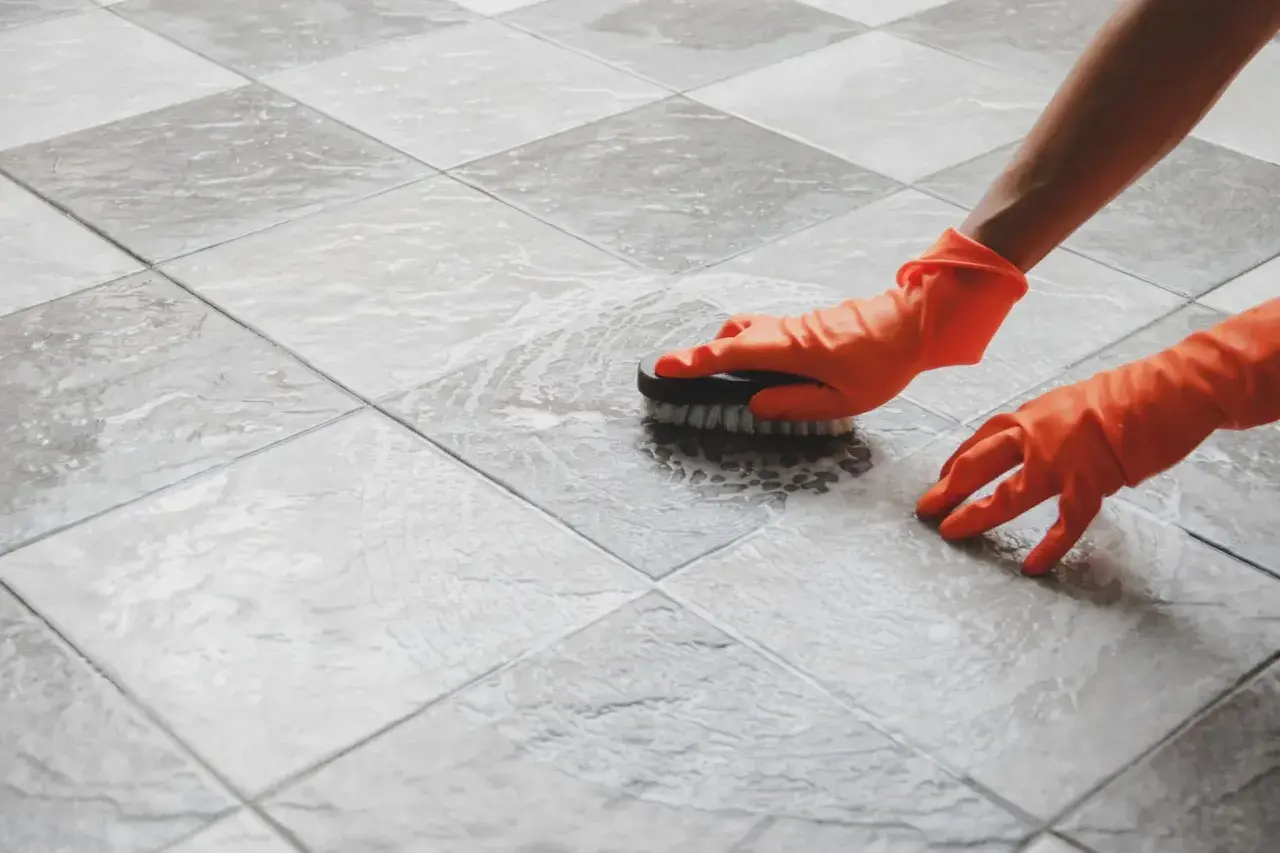
Porcelain tile is tough, but the surface finish is not invincible. The real answer is more nuanced than a yes-or-no: some porcelain can be refined or repolished, some only needs a proper cleaning, and some finishes should never be treated like natural stone. In the sections below, I break down what actually works, what causes a tile to look dull, and how I would care for porcelain in a bathroom without making the problem worse.
What matters most before you change the sheen
- Finish type matters. Glazed, matte, textured, and factory-polished porcelain do not respond the same way.
- Dullness is often removable residue. Grout haze, soap scum, hard-water film, and cleaner buildup are common culprits.
- True polishing has limits. You can sometimes improve factory-polished porcelain, but you usually cannot turn a matte or glazed tile into a mirror-gloss surface after installation.
- Bathroom use changes the decision. High shine looks sharp on walls and backsplashes, but wet floors need traction first.
- Daily care should stay gentle. pH-neutral cleaners, soft cloths, and dry-down habits do more than aggressive products ever will.
What actually changes the answer
The first thing I look at is not the stain or the scratch, but the finish itself. Porcelain tile can be glazed, matte, textured, or factory-polished, and each one behaves differently once it is installed. A polished surface may be able to be refined again in the right hands, but a glazed face is a different story because the shine is part of that fired surface layer, not a coating you can simply buff back into shape.
| Finish type | Can the shine be changed? | What usually works | What usually does not |
|---|---|---|---|
| Factory-polished porcelain | Sometimes | Careful cleaning, residue removal, and in some cases professional repolishing | Wax-heavy shine products and aggressive do-it-yourself abrasion |
| Glazed porcelain | Usually not in any meaningful way | Cleaning, scratch hiding, or selective replacement if damage is obvious | Trying to abrade the glaze into a new finish |
| Matte porcelain | Not usually | Deep cleaning and residue removal to restore the intended look | Expecting a true high-gloss result |
| Textured porcelain | Very limited | Cleaning the texture thoroughly and keeping grit off the surface | Polishing that erases the texture without changing the tile |
One detail that surprises people: some polished porcelain products are mechanically refined during manufacturing, so the surface can have tiny pores that make cleanup and protection more sensitive than the word “porcelain” suggests. That is why installation instructions sometimes call for a penetrating sealer or grout-release step before grouting. Once you understand the finish, the next question is whether the dull look is real wear or just something sitting on top of it.
Dullness is often residue, not wear
When porcelain looks cloudy, I assume contamination before I assume damage. In bathrooms especially, the usual suspects are grout haze after installation, soap scum near showers, hard-water deposits around sinks and glass, or a cleaner that left behind a film. Dirt tracked in from shoes can also create a dull path that looks like wear even when the tile surface is still intact.
| What it looks like | Likely cause | Best first move |
|---|---|---|
| Cloudy film after a remodel | Grout haze or installation residue | Use a tile-safe cleaner and rinse thoroughly before doing anything more aggressive |
| White spotting around faucets and shower edges | Hard-water minerals | Remove the mineral film with a non-abrasive bathroom cleaner made for tile |
| Streaks that appear after cleaning | Cleaner residue | Rinse with clean water, then dry the surface with a soft cloth |
| Duller lanes where people walk | Tracked grit or micro-scratching | Vacuum or sweep first, then reassess in daylight |
| Sudden haze after using an acidic cleaner | Chemical dulling or etching | Stop the harsh product and test the area with a professional before adding more abrasion |
If the tile looks better the moment you remove film, you do not need polishing at all. That distinction matters because the safest fix starts with cleaning, not with a buffer pad or a risky shine product. From there, I would move carefully and only use methods that match the tile’s actual finish.
How I would restore the shine without damaging the tile
My process is simple because porcelain usually rewards restraint. I start by removing loose grit with a vacuum or dry microfiber mop so I am not grinding sand into the surface. Then I clean with a pH-neutral tile cleaner, rinse with clean water, and dry the area so I can see whether the dullness is still there in natural light.
- Clean first, polish second. If the surface is only hazy, a proper wash may be the whole fix.
- Test a hidden area. A closet edge, behind a toilet, or inside a corner tells you a lot before you touch the main floor.
- Use the right tools. Soft microfiber, a non-abrasive sponge, and clean water matter more than brute force.
- Do not chase gloss with wax. Wax and oily shine products can build up unevenly, attract dirt, and become a maintenance problem of their own.
- Match the method to the finish. Factory-polished porcelain may respond to professional refinement, while glazed tile usually should not be mechanically worked the same way.
If a tile has already lost its sheen from the factory-polished surface itself, I would rather have a specialist assess it than guess. That is especially true in bathrooms, where a patchy repair stands out immediately under bright lighting. Once the finish itself is damaged or the surface type is wrong for the treatment, that is the point where a professional becomes the smarter move.
When a pro is worth it
I bring in a tile restoration pro when the problem is bigger than residue and smaller than full replacement. That usually means the tile has an even dullness that does not improve after proper cleaning, the finish was changed by an acidic cleaner, or the surface is factory-polished and now looks uneven from wear, scratches, or installation issues. A pro is also the right call when the same room has a lot of tile to correct and you need the finish to stay visually uniform.
- Use a pro when the sheen is patchy. Partial fixes tend to look worse than the original problem.
- Use a pro when the tile is glazed and visibly damaged. A glaze cannot be treated like marble, and trying often makes the look less consistent.
- Use a pro when the tile is scratched across a large area. Small scuffs are one thing; a field of scratches is another.
- Use a pro when you are unsure of the surface type. Misidentifying glazed, polished, or printed porcelain is how people create permanent dull spots.
At some point, the question stops being “can this be polished?” and becomes “is polishing the right answer for this room?” That brings the bathroom layout itself into the decision, because walls, floors, and shower zones do not ask the same thing of the material.
Where polished porcelain works best in a bathroom
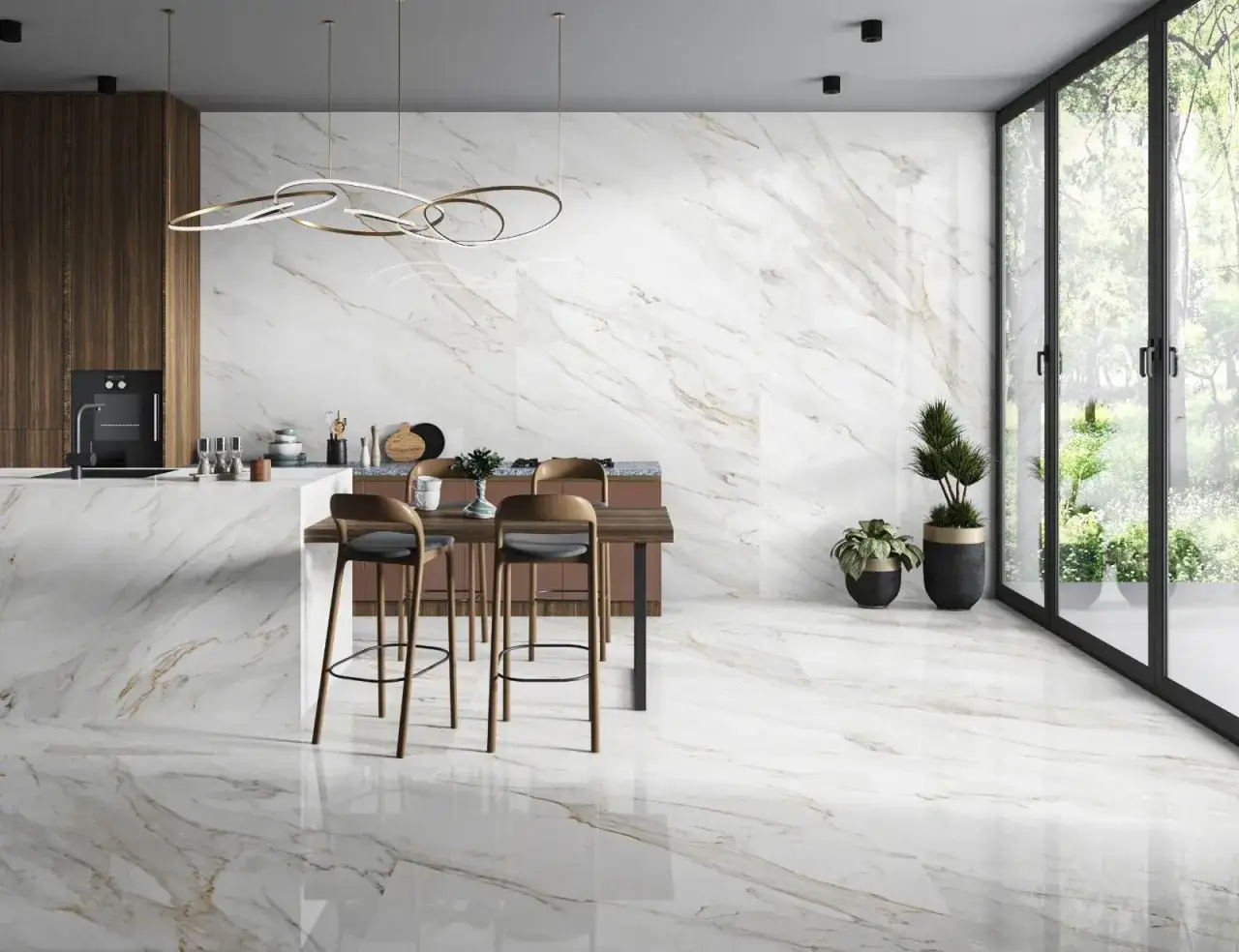
Bathroom placement changes everything. I like polished porcelain most where I want light to bounce and maintenance to stay simple, such as vanity backsplashes, tub surrounds, and shower walls. On those surfaces, the shine reads as clean and intentional, and the risk of slipping is not the same as it is on a wet floor.
| Bathroom area | Polished porcelain? | My take |
|---|---|---|
| Shower wall | Yes, often a good choice | Great for a bright, crisp look and easy wipe-downs |
| Vanity backsplash | Yes | Strong design payoff with low practical risk |
| Bathroom floor | Sometimes | Works if you are comfortable with visible water spots and a slicker feel |
| Shower floor | Usually no | I would prioritize traction over gloss unless the tile is specifically rated for wet areas |
In wet spaces, shine can be a tradeoff. A highly polished floor looks refined, but it also makes water, footprints, and streaks more visible, and it may feel less secure underfoot. That is why I prefer to think in terms of function first and gloss second. Once the placement is right, long-term care becomes much easier.
The maintenance routine I trust for porcelain
Porcelain does not need a complicated care ritual. It needs consistency. The routine I trust is short: remove grit often, clean with a gentle product, rinse away residue, and dry the surface when needed so water spots do not get a chance to settle in. That is especially true in bathrooms, where soap, hard water, and humidity can make a good floor look tired much faster than normal use would suggest.
- Vacuum or sweep before mopping so grit does not act like sandpaper.
- Use a neutral-pH cleaner instead of bleach, ammonia, or acid-based products.
- Avoid abrasive pads, steel wool, and sandpaper.
- Do not use wax or oil-based cleaners unless the product is specifically meant for porcelain and you accept the maintenance tradeoff.
- Rinse if the cleaner leaves any film, then dry the surface with a soft cloth.
- Keep shower ventilation strong so moisture and mineral spotting do not build up.
There is also one practical habit that pays off quickly: place mats where dirt enters the room and keep them clean. Grit is what slowly changes a smooth-looking floor into a dull one. With the routine in place, the last decision is not about cleaning at all. It is about whether you are trying to improve the appearance, preserve the existing finish, or rethink the tile altogether.
What I would do before I try to make porcelain glossier
My rule is straightforward. If the tile looks dull, I clean it properly first. If the finish returns, the problem was residue. If it does not, I check whether the tile is factory-polished porcelain, glazed porcelain, or a matte finish before I touch it again. That order saves time and prevents the most common mistake I see: treating porcelain like marble and expecting a universal polishing trick to solve everything.
If I wanted a shinier look in a bathroom and the tile was already installed, I would only pursue repolishing when the surface type and condition made that realistic. If the tile was glazed or matte, I would focus on cleaning, lighting, and surface choice instead of chasing a finish the material was never designed to deliver. And if the tile sits in a shower floor or another wet area, I would always favor traction over extra gloss. That is the decision that keeps a bathroom looking intentional instead of overworked.