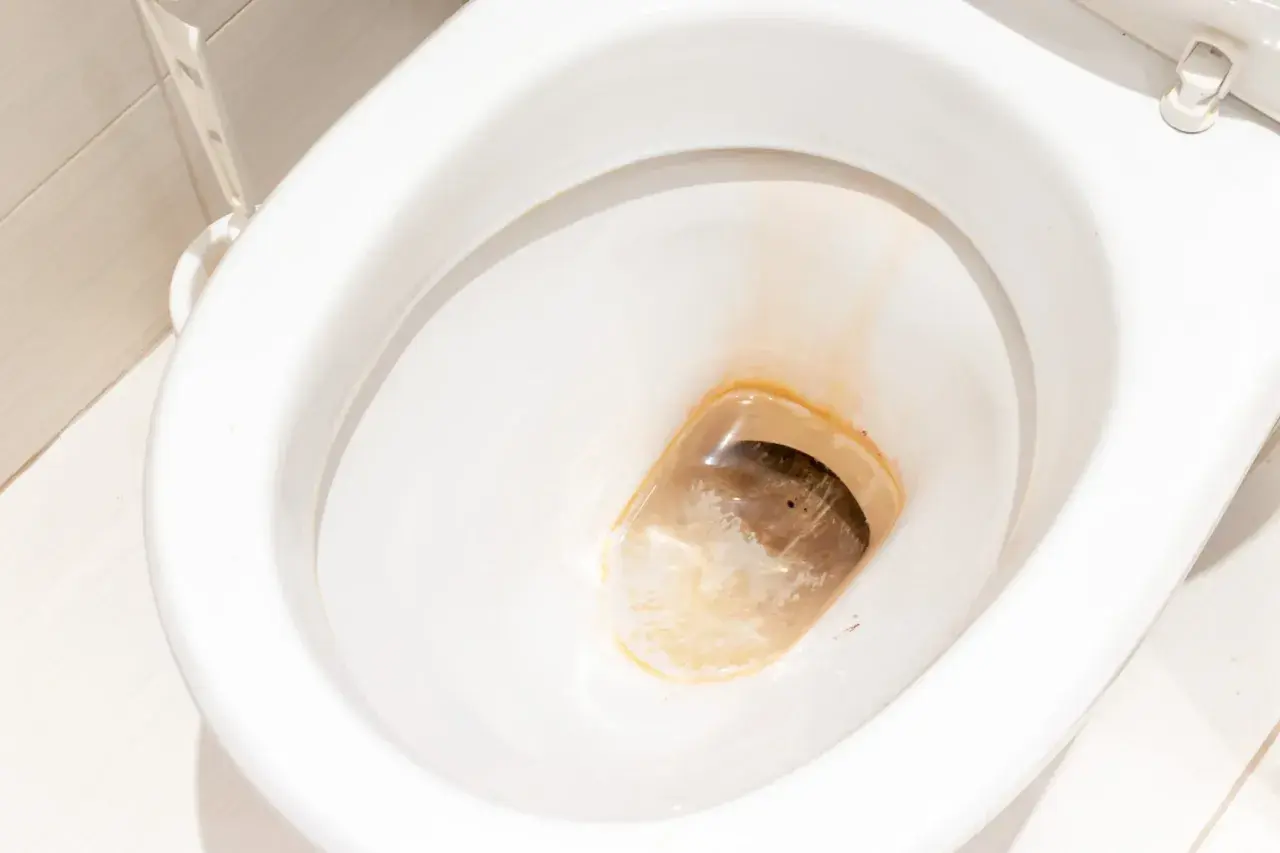
Toilet bowl stains usually fall into a few predictable categories: mineral scale, rust, or a stubborn film that builds up when cleaning gets rushed. The practical answer to how to clean toilet stains starts with identifying which one you have, because the right cleaner can save a lot of scrubbing and the wrong one can damage the finish. I prefer to begin with the least aggressive method that can still dissolve the stain, then step up only if the mark refuses to budge.
What actually removes toilet bowl stains without damaging the finish
- Match the cleaner to the stain instead of using one product for everything.
- Acidic cleaners work best on hard-water rings, limescale, and many rust marks.
- Bleach disinfects, but it does not dissolve mineral stains and should never be mixed with vinegar or acids.
- Soak time matters as much as scrubbing; stubborn stains often need 15 to 30 minutes or longer.
- Pumice can help on porcelain bowls, but only if it is used gently and kept wet.
- Prevention is simpler than deep cleaning when hard water keeps leaving a ring behind.
Start by reading the stain, not just scrubbing it
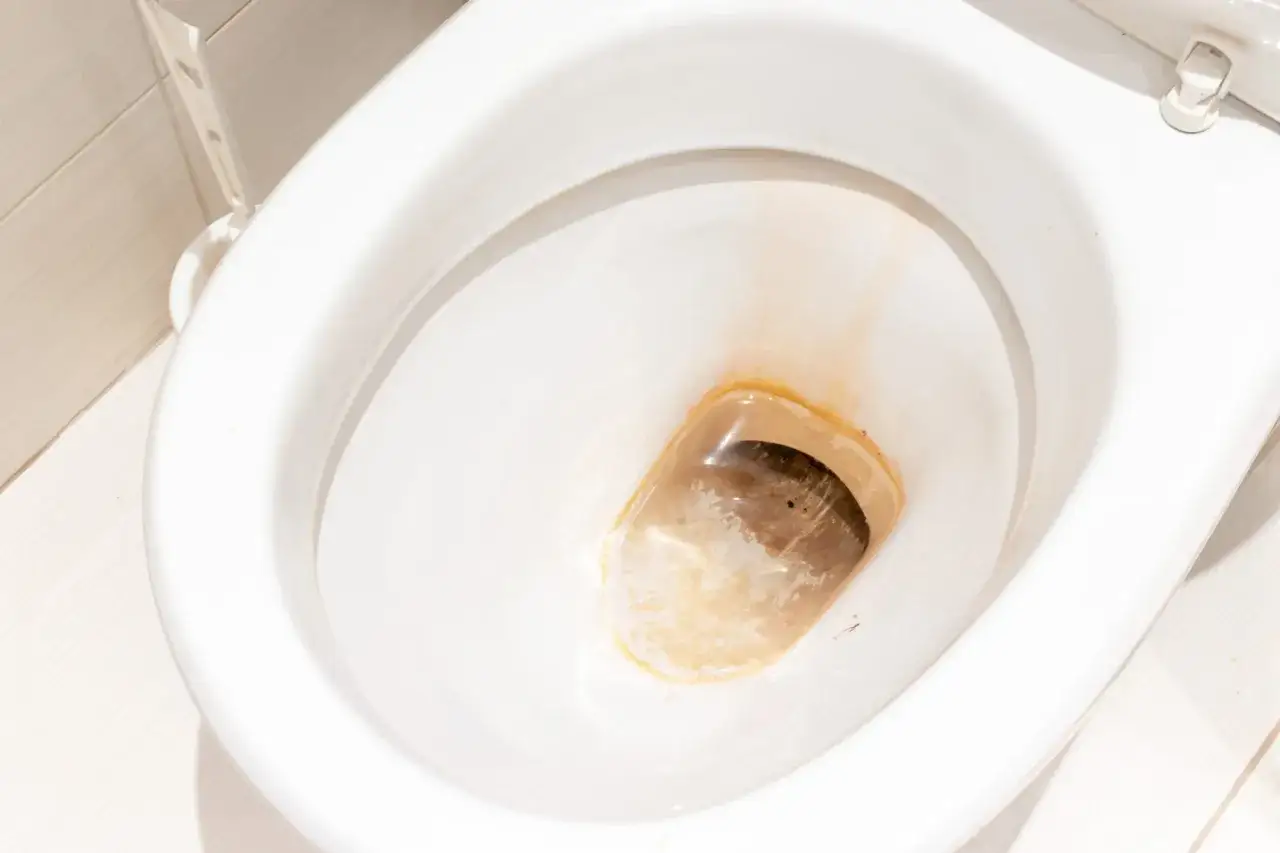
Before I reach for a brush, I look at the color, texture, and location of the mark. A chalky white or gray ring usually points to mineral scale from hard water. Orange-brown streaks often signal rust, either from the water supply or from old metal parts. A darker film under the rim or near the waterline is more likely to be a mix of grime, biofilm, and residue that has had time to settle.
| What it looks like | What it usually means | Best first move | What to avoid |
|---|---|---|---|
| White, gray, or chalky ring | Hard-water mineral buildup | Vinegar, citric acid, or an acidic toilet bowl cleaner | Bleach alone and dry abrasive pads |
| Orange or brown streaks | Rust or iron deposits | A rust-removing bowl cleaner labeled for toilets | Bleach, which usually does not remove the deposit |
| Yellow-brown film | Urine scale mixed with mineral residue | Longer soak with an acidic cleaner, then brush | Quick scrubbing with no dwell time |
| Dark spots under the rim | Trapped grime, biofilm, or mildew | Cleaner plus a rim-focused brush or old toothbrush | Ignoring the underside of the rim and jet holes |
That first diagnosis matters because not every stain behaves the same way. Mineral deposits are stubborn because they are crusted onto the porcelain, not sitting on top of it. Once you know what you are dealing with, the next step is choosing a method that actually breaks the bond instead of just moving the discoloration around.
The step-by-step method I use first on most bowls
For a typical porcelain toilet, I start with a simple, controlled process. It is safe enough for routine use, strong enough for many everyday stains, and easy to repeat if the first pass only partly works. The key is to give the cleaner time to sit on the stain before you scrub.
- Put on gloves and ventilate the bathroom.
- Flush once so the bowl is clean enough to work on, then lower the water level if the stain sits above the waterline.
- Apply 1 to 2 cups of white vinegar, or use a toilet bowl cleaner designed for mineral stains, making sure the stained area is coated.
- Let it sit for 15 to 30 minutes for light buildup. For heavier rings, extend that to 1 hour or overnight if the product label allows it.
- Scrub with a toilet brush, paying extra attention to the waterline, the underside of the rim, and the drain opening.
- Flush and inspect the bowl before repeating.
If the stain is still visible after one round, I do not switch randomly to another product. I either repeat the same method or move to a cleaner that is specifically made for mineral scale or rust. That approach avoids the common mistake of stacking products that do not work together and can create a safety problem.
Choose the right remover for mineral, rust, and organic stains
Most people waste time because they treat every stain the same way. The cleaner that removes limescale is not always the one that handles rust, and neither one is the best option for a simple disinfecting pass. Here is the comparison I would use in a real bathroom, not just on a label.
| Stain type | Best option | Typical dwell time | Notes |
|---|---|---|---|
| Hard-water scale | White vinegar, citric acid, or an acidic bowl cleaner | 30 minutes to overnight | Works best when the product can stay in contact with the stain |
| Rust stains | A toilet rust remover or descaler labeled for rust and iron | 5 to 20 minutes, depending on the label | Test first on an inconspicuous area if the bowl has any special coating |
| Organic film and general grime | Toilet bowl cleaner, soap-based cleaner, or a disinfecting product after cleaning | 5 to 10 minutes for routine cleaning | Cleaning comes before disinfecting; dirt blocks disinfectants from doing their job |
| Light residue under the rim | Acidic cleaner plus a narrow brush | 15 to 30 minutes | Rim holes often hold the problem even when the visible bowl looks clean |
I would not use bleach first for any of the mineral problems above. Bleach can disinfect and whiten, but it does not dissolve scale, and it should never be mixed with vinegar, ammonia, or another cleaner. If the stain is caused by hard water or rust, an acidic product is usually the better tool.
When a pumice stone helps and when it can do damage
A pumice stone can be useful, but only in the right setting. I use it as a finishing tool on porcelain or vitreous china when a stain has softened but not fully released. It is not my first move, and I never use it dry.
The safe version is simple: wet the stone, wet the bowl, and use light pressure in short passes. If the glaze feels rough, if the toilet is colored, or if you are unsure whether the surface is porcelain, stop and switch to a nonabrasive method. A pumice stone that is dragged too hard can leave a dull patch that looks worse than the original stain.
- Keep the stone and the bowl wet at all times.
- Use gentle, even pressure instead of grinding at one spot.
- Focus on stubborn mineral rings, not decorative trim or plastic parts.
- Stop immediately if the surface starts to feel gritty or scratched.
This is one of those tools that gets recommended a lot because it does work, but it only works well when the bowl can tolerate it. That leads directly to the mistakes that make the job harder than it needs to be.
The mistakes that make toilet stains come back
Most repeat stains are not a mystery. They are usually the result of a cleaner being used too quickly, too weakly, or on the wrong problem. The other issue I see all the time is people cleaning the visible ring and forgetting the hidden spots where deposits start first.
- Using bleach for mineral scale instead of an acidic cleaner.
- Rinsing too soon and not giving the product time to break the deposit down.
- Skipping the rim and jet holes, where buildup often lives out of sight.
- Using abrasive pads on glazed porcelain, which can dull the finish.
- Mixing chemicals instead of fully rinsing before switching products.
- Ignoring recurring stains that may be caused by hard water or a slow leak.
That last point matters more than people expect. If a ring returns within days, the bowl may be telling you that the water itself is the problem. In that case, a stronger cleaner helps for the moment, but the long-term fix is usually better maintenance, better water quality, or both.
The small habits that keep the bowl from staining again
The easiest way to reduce future stains is not to let them harden in the first place. In a typical U.S. home, I would aim for a quick weekly bowl clean and a deeper descaling session whenever the water is visibly hard or the bathroom gets heavy use. That schedule is usually enough to keep mineral marks from turning into a permanent-looking ring.
A few habits make a real difference: let the toilet bowl cleaner sit for the full label time, wipe under the rim during routine cleaning, and flush after every application so residue does not build up in the same spot. If your home has very hard water, a monthly vinegar or citric-acid treatment can help slow the return of scale. If the stains keep coming back fast, check for a slow leak in the tank or a constant trickle into the bowl, because a moving waterline will keep leaving behind a fresh deposit.
That is the practical version I rely on: identify the stain, use the right chemistry, give it time, and fix the source if the same ring keeps returning. Once you treat the cause instead of just the surface mark, toilet bowl care becomes routine instead of repetitive.