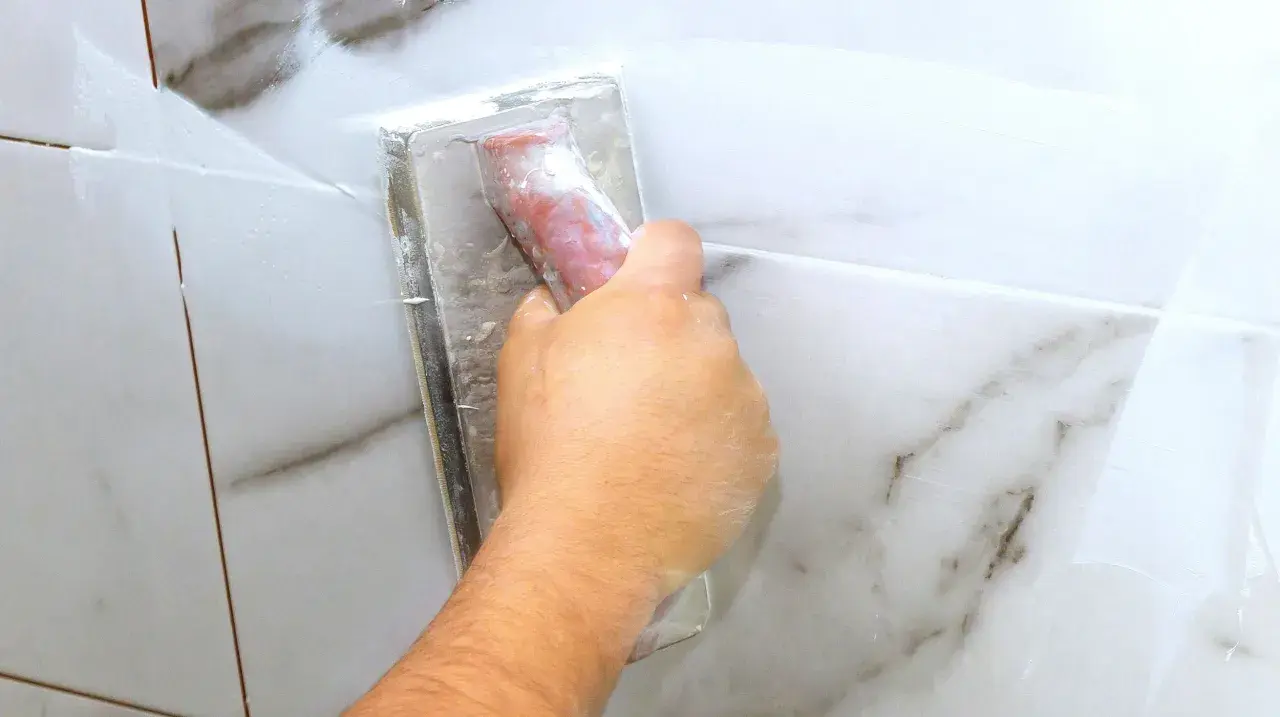
Grout timing matters because a tile surface can look finished long before it is actually ready for water, traffic, or sealing. The answer to how long does it take for grout to set is never one number, because the timeline changes with the grout formula, room conditions, and how the space will be used. In a typical bathroom, I plan on about 24 hours before light use, longer before shower water, and much longer before anything that counts as a full cure.
The practical grout timeline most bathrooms follow
- Most cementitious grout is firm enough for light use in about 24 hours, but some fast-setting formulas are usable sooner.
- Shower walls and floors usually need longer than dry areas, especially before regular water exposure.
- Epoxy and ready-to-use grouts often have shorter working windows, but they still need real cure time before heavy use.
- Cool rooms, deep joints, poor ventilation, and excess water slow the process.
- Manufacturer instructions matter more than any generic rule of thumb.
What grout set time actually means
People often use set, dry, and cure as if they mean the same thing. I do not. Set is the point where the material starts to firm up and hold its shape. Cure is the longer chemical process that gives the joint its final strength and water resistance. Dry only tells you the surface no longer feels wet, which is not enough to open a shower or start scrubbing a floor.
| Stage | What it means | Why it matters |
|---|---|---|
| Initial set | The surface starts to firm up and resist smearing | This is the window for cleanup and haze removal |
| Light use | The floor or wall can handle cautious, limited service | This is when a room can start coming back into use |
| Full cure | The grout reaches its intended strength and resistance | This is the point for normal water exposure and regular cleaning |
Once that distinction is clear, the next step is looking at the actual timeline by grout type.
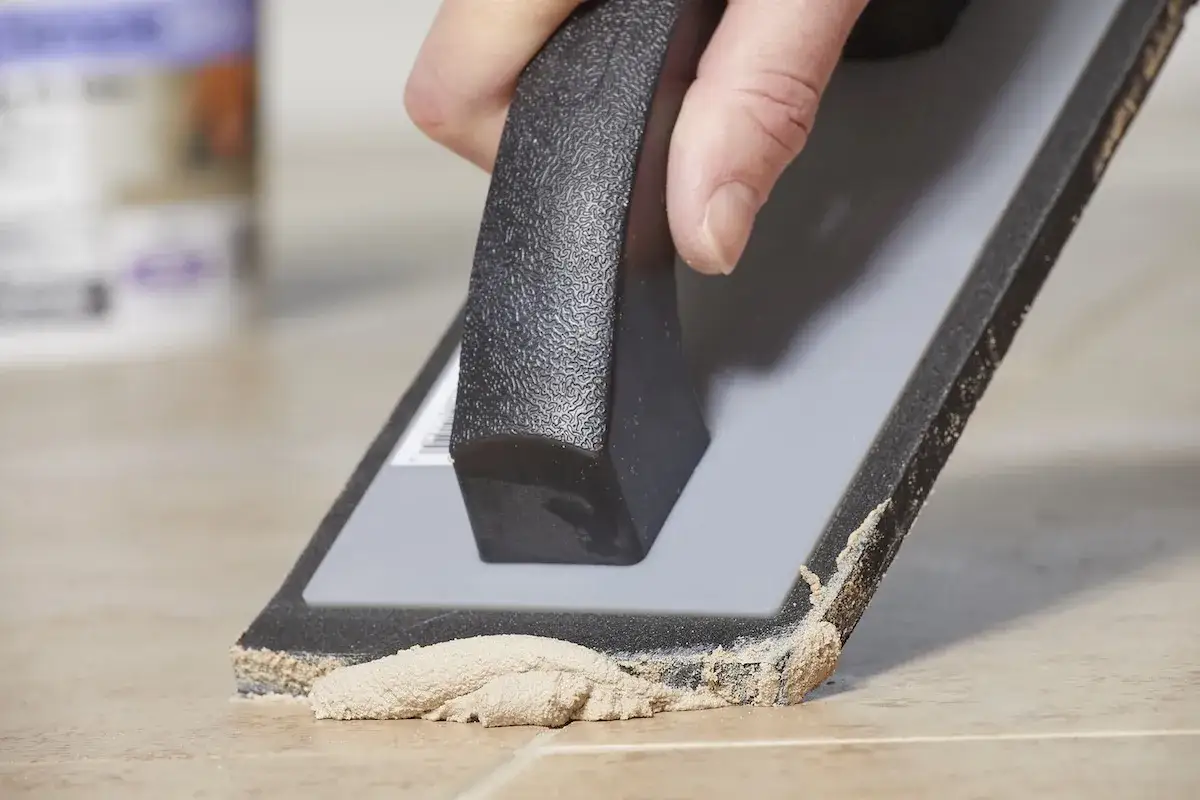
How long grout types usually take to set
Current product sheets from major brands show a wider spread than most homeowners expect, especially once you compare cementitious, epoxy, and ready-to-use formulas. I treat the table below as a practical planning guide, not a substitute for the label on the bag or cartridge.
| Grout type | Initial cleanup window | Light use | Water exposure or full cure | Best use case |
|---|---|---|---|---|
| Standard cementitious grout | About 10 to 30 minutes | About 24 hours | Often 72 hours to 7 days before water, with full cure around 7 to 14 days | Most common choice for walls and floors when you can give it a normal cure window |
| Fast-setting cementitious grout | About 10 to 20 minutes | Roughly 3 to 6 hours, sometimes up to 24 hours depending on the product | Usually 24 to 48 hours before water, with full cure commonly around 7 days | Useful when the room has to return to service quickly |
| Epoxy grout | About 30 to 80 minutes of working time, so cleanup has to be prompt | Typically 12 to 24 hours | Often 7 to 14 days for full cure, with steam rooms and immersion requiring longer | Good for stain resistance and high-use bathrooms, but the clock starts as soon as it is mixed |
| Ready-to-use or premixed grout | Usually 10 to 15 minutes for initial cleanup | Commonly 24 hours | Frequently 72 hours to 7 days, and some products need up to 28 days for full cure | Convenient for smaller jobs, backsplashes, and detail work where predictable handling matters |
The important pattern is simple: the faster a grout can be walked on, the less that tells you about water resistance, which is why the room conditions matter just as much.
What changes the clock in a real bathroom
Grout datasheets are usually tested around 70°F and moderate humidity. Real bathrooms are messier: winter air is colder, showers add steam, and floor temperatures swing all day. Those differences can move the timetable by hours or even days.
- Temperature - Cooler rooms slow setting and cure; heat speeds both up, but too much direct heat can cause surface problems.
- Humidity and airflow - Still, damp air slows evaporation, while steady ventilation helps most cementitious grouts progress normally.
- Joint depth and width - Deep, wide joints hold more material, so they usually need more time than narrow wall joints.
- Water exposure - A shower, steam room, or floor that gets mopped often needs a longer wait than a dry backsplash.
- Substrate cure - The grout should be going over tile set on a cured bed or mortar, often 24 to 48 hours or more after the setting material is placed, depending on the system.
- Product chemistry - Epoxy, single-component, and cement-based formulas do not behave the same way, even when the packaging sounds similar.
If I am planning a job in a cold basement bathroom or a shower with poor ventilation, I add time rather than subtract it. That extra cushion matters, because the first 72 hours are where most mistakes happen.
What to do in the first 72 hours
The first three days decide whether the grout hardens cleanly or gets pushed around by traffic, moisture, or over-cleaning. I keep the routine simple.
- Let the grout finish its initial wash window without scrubbing aggressively.
- Avoid mopping, shower spray, or standing water unless the product specifically allows it.
- Keep people, pets, and moving furniture off the surface as long as possible.
- Use normal ventilation, not blasting heat at the joints.
- Wait on sealing unless the product instructions give a very specific earlier window, and remember that some epoxy or presealed grouts do not use a traditional sealer at all.
One detail people miss is the difference between surface dryness and usable strength. The grout can look fine after a few hours and still be weak inside, which is why I prefer a conservative schedule in showers and other wet rooms. From there, the best reality check is how the joint itself feels, not just how the tile looks.
How to tell if the grout is ready
I do not rely on a single finger test, but I do look for a few practical signs before I call a joint ready for normal use.
- The color looks even rather than dark and damp.
- A light touch does not leave residue on the finger.
- The surface feels hard, not rubbery or waxy.
- A fingernail does not easily leave a dent.
- Cleaning haze is not being pulled out of the joint when the area is wiped.
If any of those checks fail, the grout needs more time. That is especially true in deeper joints, on floors, and anywhere the room stays cool. And if the grout is still soft after the label’s stated window, I start looking for installation issues instead of just waiting longer.
A bathroom timeline that works without guesswork
For a standard U.S. bathroom, my default plan is straightforward: clean within the product’s wash window, allow about 24 hours before light foot traffic for many cementitious grouts, keep showers and other wet areas dry for at least 72 hours unless the label says otherwise, and wait up to 7 days or more before regular water exposure or sealing when the product requires it.
That schedule is not the fastest possible one, but it is the one that usually prevents callbacks, haze, weak joints, and premature water damage. If you remember only one thing, make it this: the bag, cartridge, or technical sheet is the final authority, and the room conditions can push you toward the cautious side. When the setup is right, grout hardens on its own schedule and gives the tile assembly the finish it was meant to have.