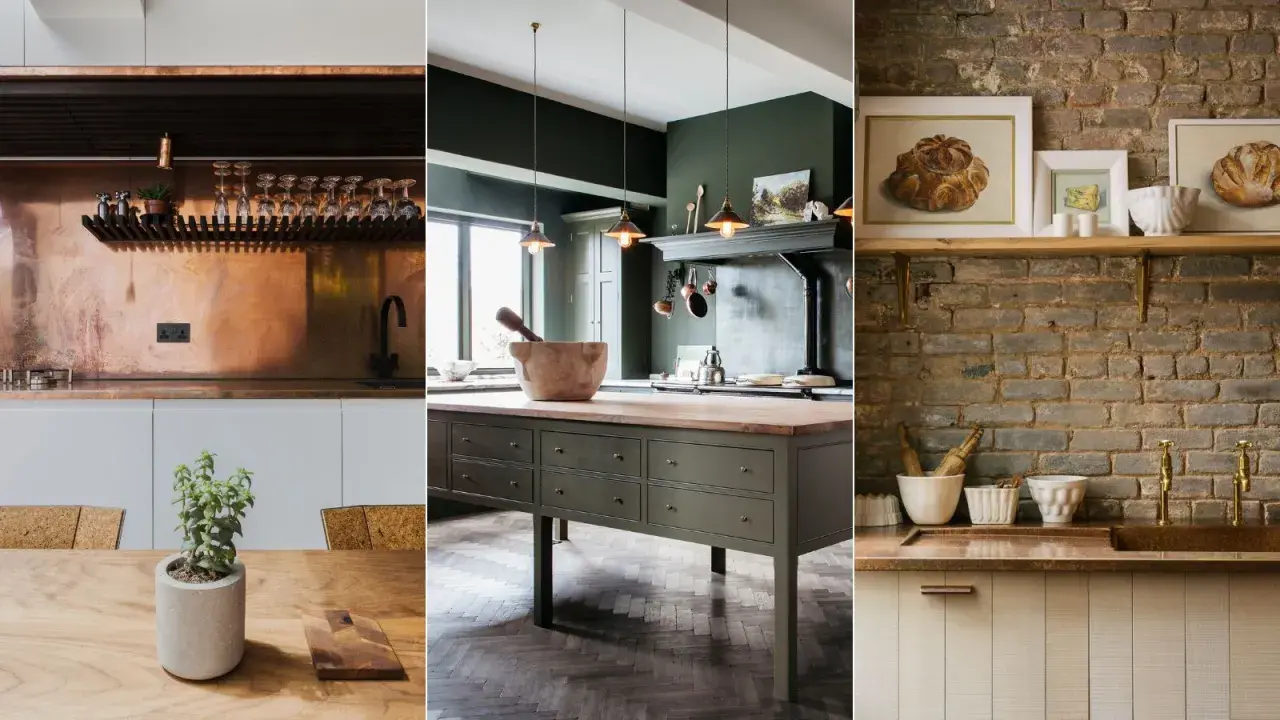
Choosing whether to finish a wall with tile or leave it bare changes more than the look of a kitchen or bathroom. The right call affects how often you wipe the surface, how well the wall handles water and splatter, and whether the room feels polished or stripped down. The backsplash vs no backsplash decision is really about balancing cleanup, moisture protection, and design freedom.
What matters most when choosing between tile protection and a bare wall
- A backsplash gives the wall a first layer of defense against water, grease, soap, and daily splatter.
- Skipping it can work in low-splash areas, but only if the wall finish and caulk details are strong.
- Tile is usually the safer choice when you want durability, easy wipe-down cleaning, and resale-friendly appeal.
- No backsplash feels cleaner and quieter visually, but it demands better wall prep and more careful use.
- In the U.S., professional backsplash installation commonly lands around $15 to $40 per square foot, depending on material and layout.
How the two choices behave in daily use
I start with function because that is what people live with. A tiled splash zone catches water, toothpaste, soap residue, tomato sauce, and cooking oil before they reach drywall or painted plaster. A bare wall can look calmer, but it also asks more of the paint, caulk, and sealant behind it.
In a kitchen, this difference is obvious around a sink and cooktop. In a bathroom, it shows up around the vanity where splashing is smaller but more frequent than most people expect. If the room is used by kids or by anyone who tends to brush, rinse, and wipe in a hurry, the wall takes more abuse than it first appears to.
The key point is simple: tile does not just decorate the room, it changes the maintenance burden. That becomes clearer when I compare the two options side by side.
A side-by-side view of the trade-offs
| Factor | With a backsplash | Without one | My read |
|---|---|---|---|
| Moisture and stain protection | Better defense against splashes, splatter, and surface grime | Depends heavily on paint, caulk, and careful use | Tile wins in active kitchens and family bathrooms. |
| Cleaning | Wipes down quickly; grout needs periodic attention | Simple wall surface, but stains and water marks can soak in faster | Tile reduces daily stress, but grout adds its own upkeep. |
| Look and feel | Finished, intentional, often more layered | Minimal, quiet, architectural when executed well | It comes down to whether you want the wall to disappear or stand out. |
| Budget | Higher upfront cost | Lower upfront spend, but less protection | Skipping tile saves money now, not necessarily later. |
| Typical U.S. install cost | About $15 to $40 per square foot, according to Angi | No tile labor, but you may still pay for paint, caulk, or future repair | Small jobs often feel pricey because cuts and layout details take time. |
| Resale appeal | Usually easier for buyers to read as complete and practical | Can look unfinished if the rest of the room is not very strong | Tile is the safer resale play. |
I do not treat this as a pure style choice. The better question is where the wall lives in the room, how often it gets wet, and whether you want the surface to age quietly or take the first hit. That leads naturally to the situations where skipping tile can still work.
When a bare wall can still work
There are rooms where I would accept a bare wall without hesitation, but they are more specific than most people think. The wall needs to be low splash, the finish needs to be moisture-resistant, and the faucet or sink layout should reduce direct spray instead of amplifying it.
Powder rooms and lightly used baths
A powder room vanity used a few times a day is not the same as a primary bath. If the faucet is centered, the sink bowl is shallow, and the wall finish is a quality satin or semi-gloss paint, a bare wall can be perfectly reasonable.
Wall-mounted or offset fixtures
When the faucet is wall-mounted or the sink does not sit tight to the wall, splashing is easier to control. That gives you more freedom to keep the wall simple, especially if you like a cleaner, furniture-like vanity look.
Rooms where I would not skip it
I would not leave the wall exposed behind a busy kitchen sink, an ice maker, or any vanity used by children every day. The same caution applies anywhere steam, hand soap, and water sit in the air long enough to soak paint at the seam.
The real rule is not “tile or no tile.” It is whether the wall can survive regular contact with moisture and cleaning without slowly looking tired. That is where material choice starts to matter.
Which tile materials earn their keep
Not every tile behaves the same once it is installed. I look first at how easy the surface is to clean, then at how often it needs sealing, and only after that at color or pattern.
Glazed ceramic and porcelain
These are the safest all-around choices. The glaze gives you a wipeable surface, they come in a huge range of styles, and they handle everyday kitchen and bathroom messes without demanding much attention. If you want the lowest-maintenance route, a simple stacked layout in porcelain often looks calmer than a busy mosaic because it reduces grout lines.
Glass tile
Glass looks crisp and light-reflective, which can help a small bathroom feel brighter. The trade-off is practical: it shows smudges and water spots more easily, so it suits people who like to clean regularly.
Natural stone
Stone can be beautiful, but I would only use it when the owner is comfortable sealing it and maintaining it. Marble, travertine, and similar materials can stain or etch faster than people expect in a splash zone.
Read Also: Clean Tile Cuts - Master Your Manual Tile Cutter
Grout matters more than most people admit
Wide grout lines and porous grout increase maintenance. Epoxy grout costs more and can be less forgiving to install, but it resists staining better than standard cement grout. If you want a quieter maintenance routine, grout choice deserves almost as much attention as the tile itself.
Once the material is chosen, the next issue is cost, because that is often where the decision finally gets real.
What the change really costs
According to Angi, professional backsplash installation in the U.S. commonly runs about $15 to $40 per square foot. Small jobs often feel expensive because tile cutting around outlets, corners, and trim takes time, and the contractor still has to set up for a relatively compact area.
If you are budgeting carefully, these are the line items I would expect to matter most:
- Tile and trim pieces
- Labor for cuts, outlets, corners, and finished edges
- Grout, caulk, and possibly sealer
- Wall prep if the surface is uneven, damaged, or patched
Skipping tile removes those costs, but it does not make the wall free. You still need a durable paint finish, careful caulking, and a plan for future touch-ups if water or splatter starts to mark the surface. That is why I tell people to compare the full life of the wall, not just the first invoice.
That brings me to the rule I use when the room has to work hard.
The rule I use when the room has to work hard
If the wall gets daily water, food, or soap, I choose tile almost every time. If the room is a quiet powder room or a vanity with very light use, I can live with a bare wall, but only when the finish, caulk, and fixture layout are doing real work.
- Choose tile when you want the safest option for maintenance and resale.
- Choose no backsplash when the room is low-splash and the design depends on visual calm.
- Choose a partial or full-height tile run when you want a middle path instead of a hard yes-or-no answer.
- Choose simple glazed materials when you want the easiest upkeep.
In 2026, the most convincing versions of this look are the ones that feel deliberate from the start: clean edges, good caulk lines, and tile that fits the room instead of fighting it. If you want the wall to feel finished for years rather than just look clean on day one, tile is usually the steadier bet.