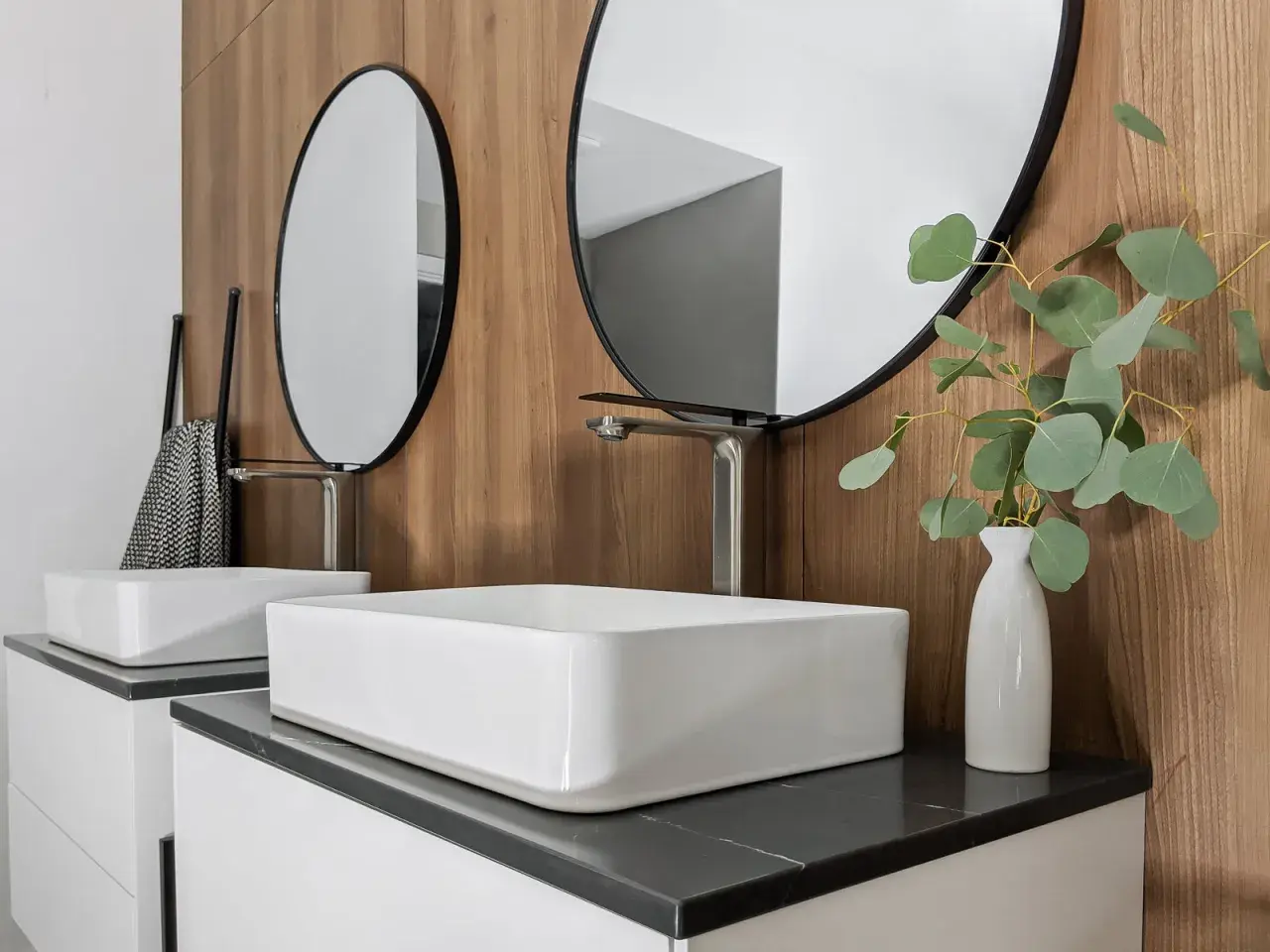
A vessel sink is one of those bathroom fixtures that can change the whole feel of a vanity without changing the room’s footprint. The practical answer to what is a vessel sink is simple: it is a basin that sits on top of the countertop instead of being recessed into it. In this article, I’ll explain how it works, how it compares with other sink styles, what to watch for during installation, and when it is genuinely worth choosing.
Key things to know before choosing a vessel sink
- It sits above the counter, so the bowl becomes part of the design, not just a hidden utility fixture.
- It needs the right faucet height, usually a tall deck-mounted faucet or a wall-mounted faucet.
- It changes vanity comfort because the top of the bowl adds height above the cabinet.
- Material matters more than people expect; porcelain is easier to live with, while glass and stone are more decorative.
- It is not the easiest option to clean if you want the fastest, lowest-maintenance bathroom setup.
- It works best in the right room, especially powder rooms and guest baths where visual impact matters.
How a vessel sink changes the feel of the room
The biggest difference is visual. A vessel sink reads like an object on display, so the vanity stops being a flat work surface and becomes a more layered composition. That is why designers use them when they want a bathroom to feel more custom, more architectural, or simply less standard.
Functionally, the bowl also changes the height relationship between the user and the vanity. Because the sink rises above the counter, the cabinet below may stay the same, but the working height does not. That is one reason I always look at the full setup, not the bowl alone: countertop thickness, sink height, faucet height, and the people using the bath all affect comfort.
In practical terms, the defining traits are straightforward:
- The basin sits on or partly above the countertop.
- The sink is visible from the side, so its shape and finish matter.
- The faucet usually needs to sit higher or farther away than it would for a standard sink.
- The installation often feels more decorative, even when the basin itself is very simple.
That is also why vessel sinks are often used as a focal point in powder rooms and guest baths. They do not have to carry the whole load of a family bathroom to be useful. Next, it helps to see how they compare with the more familiar sink styles most homeowners already know.
How it compares with other common bathroom sinks
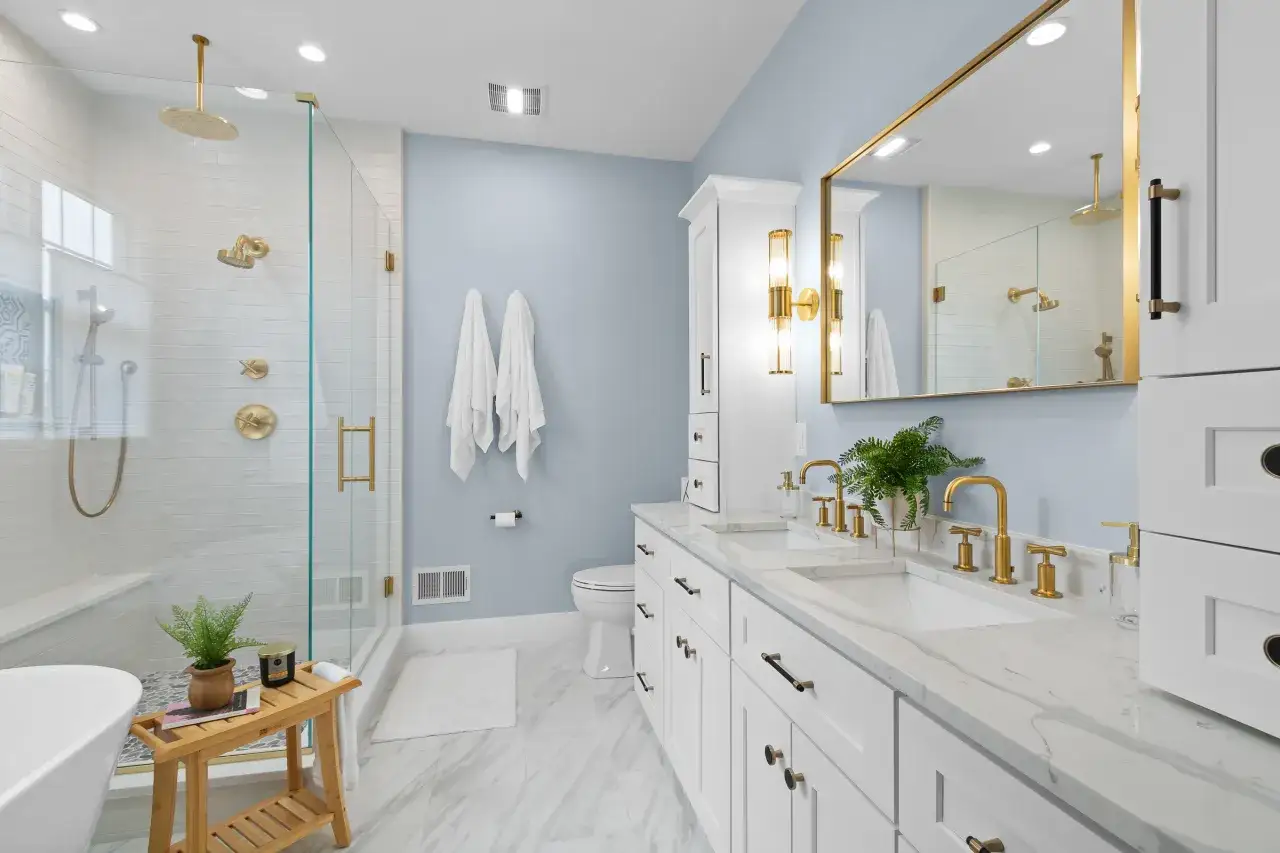
When I compare sink styles, I think less about trend and more about tradeoff. A vessel sink gives you presence; an undermount sink gives you convenience; a drop-in sink gives you easy installation; a wall-mounted sink saves floor space. Different jobs, different strengths.
| Sink style | Main advantage | Main drawback | Best fit |
|---|---|---|---|
| Vessel sink | Strong visual impact and a custom look | More splash potential and more detailed planning | Powder rooms, guest baths, design-forward spaces |
| Undermount sink | Easy to wipe crumbs and water straight into the basin | Less decorative presence | Primary baths and busy family bathrooms |
| Drop-in sink | Simple installation and broad product availability | Rim is more visible and can trap grime | Budget-conscious remodels and quick replacements |
| Wall-mounted sink | Opens up the floor visually and physically | Less counter space and often less storage | Small baths, accessible layouts, compact utility spaces |
If the goal is pure practicality, I usually lean toward an undermount. If the goal is to make the vanity feel like a designed object, the vessel style has a clear advantage. That choice becomes more interesting once you start looking at materials, because the material does a lot of the emotional work in the room.
Materials and shapes that change the result
Not all vessel sinks behave the same way. Two sinks can have the same basic profile and still feel completely different because of the material, edge thickness, and shape. That matters for cleaning, durability, and how the bathroom reads at a glance.
Common materials
- Porcelain or vitreous china feels closest to a traditional bathroom sink, which makes it the safest choice if you want a classic look with easier upkeep.
- Glass can look light and elegant, but it shows water spots and fingerprints faster, so it rewards more frequent cleaning.
- Natural stone adds texture and weight, which can be beautiful in a spa-style space, but it may require more care depending on the stone and finish.
- Metal brings a more industrial or artisanal character, though scratches and patina become part of the story.
- Solid surface offers a cleaner, more contemporary feel and can be a good compromise when you want less fuss than stone or glass.
Read Also: Bathroom Mirror Size Guide: Get Your Vanity Mirror Right
Common shapes
- Round and oval bowls feel softer and usually work well in smaller vanities.
- Square and rectangular bowls feel more modern and architectural.
- Fluted, carved, or organic shapes make the sink look more like a design object than a utility fixture.
The installation details that decide whether it works well
Vessel sinks are only simple from a distance. Up close, the success of the install depends on a few details that are easy to overlook. The good news is that none of them are complicated on their own. The bad news is that missing even one can make the sink annoying every single day.
- Vanity height needs to make sense after the bowl is added. A common comfort target is about 36 inches to the top of the bowl, although the right height depends on who uses the bathroom most.
- Faucet selection matters because the water has to fall cleanly into the bowl. Tall vessel faucets or wall-mounted faucets usually work best.
- Spout reach should land over the drain area, not at the front edge of the basin, or splash becomes a daily nuisance.
- Drain compatibility has to match the sink. Some bowls use overflow drains, while many vessel-style basins do not.
- Countertop support should be solid enough for the sink’s weight, especially with stone, concrete, or thick ceramic models.
- Backsplash and mirror clearance can become tighter than expected once the bowl rises above the counter.
I also think people underestimate how much the rest of the bathroom influences the final result. A tall faucet that looks balanced in a deep vanity can look awkward in a shallow one. A beautiful bowl can feel cramped if the counter is too small for soap, hand towels, and daily essentials. That is why the fixture choice should always be tied to the whole vanity, not just the sink itself.
With the technical side in mind, the next question is simple: where does this style actually make sense, and where does it create more frustration than value?
Where vessel sinks shine and where I would skip them
I like vessel sinks most when the bathroom has room to breathe. They can make a compact powder room feel intentional and memorable, and they are also a smart way to add character without redesigning the entire space. In the right setting, they do more for the room than a more conventional sink ever could.
They tend to work best when:
- The room is a powder room, guest bath, or secondary bathroom with lighter daily use.
- The vanity has enough depth to handle the sink, faucet, and everyday items.
- The design needs a focal point without a lot of extra ornament.
- The homeowners are comfortable trading a little convenience for a stronger look.
I am more cautious when the bathroom is used by kids, shared by a busy family, or already tight on counter space. In those cases, the extra height can make handwashing less comfortable, and the exposed bowl can be harder to keep spotless. If you want the cleanest possible routine, an undermount usually wins.
That does not make vessel sinks a bad choice. It just means they are a deliberate one. The best installs are the ones where the style matches the way the bathroom is actually used, not just the way it looks in a mood board. Once that decision is clear, the final step is choosing the small details that make the setup feel finished rather than improvised.
The small details I check before buying one
Before I commit to a vessel sink, I run through a short checklist. It saves time, and it usually saves frustration later.
- Measure the finished height of the vanity plus the sink bowl, not just the cabinet by itself.
- Confirm faucet compatibility before ordering, especially if the sink is deep or unusually wide.
- Decide on the drain type early so you do not end up with the wrong overflow match.
- Choose a material you can maintain on a normal week, not just a perfect one.
- Leave enough usable counter space for soap, a tray, and the items that actually live in the room.
- Think about all users, including guests, children, and anyone with limited reach or mobility.
That is the real answer to what makes this fixture worthwhile: it is not just a sink that sits on top of a counter. It is a design choice that changes proportion, comfort, cleaning, and the way the whole vanity feels in the room. When those pieces line up, a vessel sink looks deliberate and works well; when they do not, it becomes an attractive compromise that is harder to live with than it first appears.