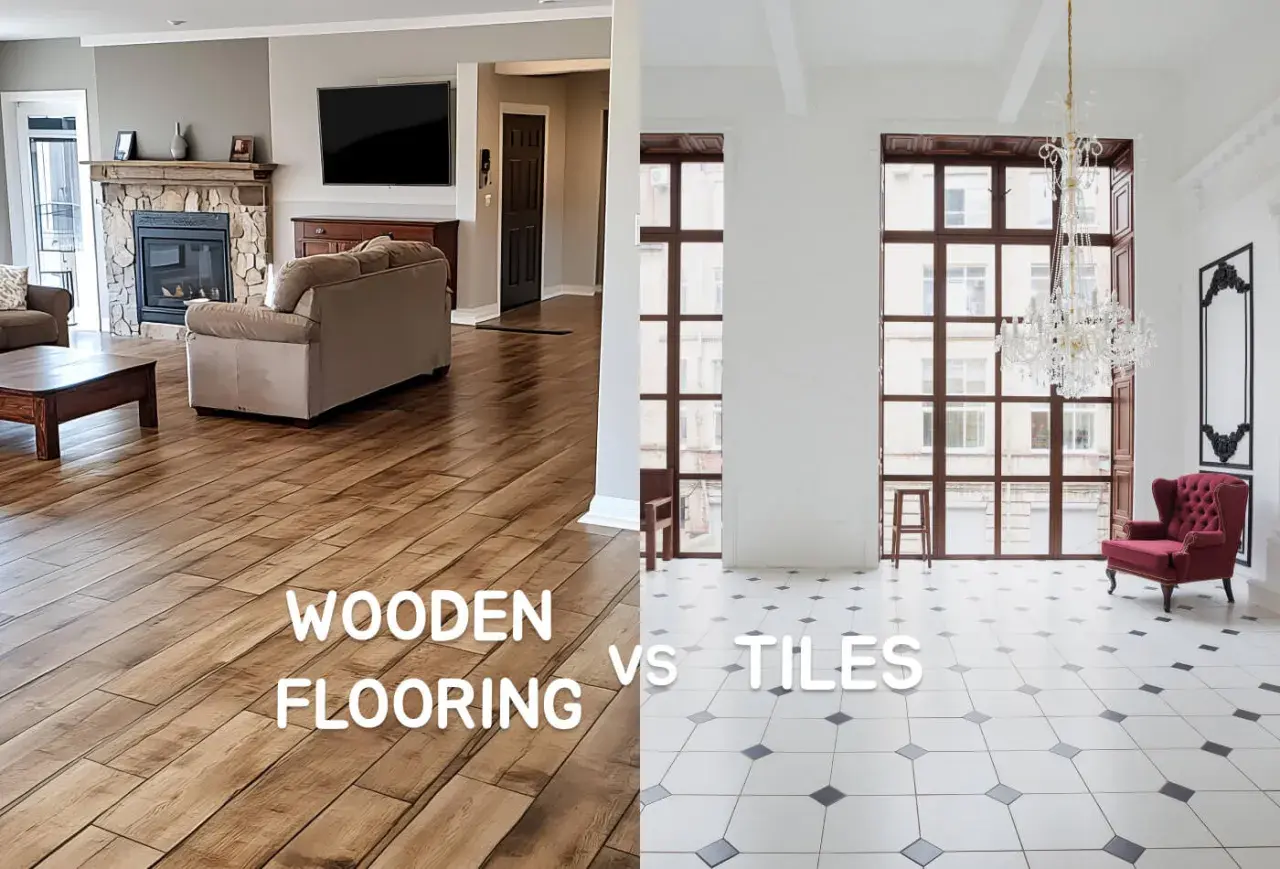
Choosing between tile and hardwood is rarely about style alone. The real decision is how much you will spend up front, how much maintenance you can live with, and how the room behaves when moisture or heavy traffic enters the picture. In bathrooms especially, I treat this as a durability question first and a design question second.
Here is the cost tradeoff in plain English
- Tile usually costs less as a material, especially ceramic and many porcelain options.
- Installed cost overlaps: a basic tile job can be cheaper, but complex tile work can cost more than hardwood.
- Hardwood often carries the higher material price, but a straightforward install can land in a similar range.
- Tile is usually the safer value in bathrooms, laundry rooms, and other wet spaces.
- Hardwood can win on long-term value in dry rooms if you want warmth, resale appeal, and refinishing options.
The short answer on price
My short answer is this: tile is often cheaper to buy, but not always cheaper to install. In 2026, the gap is narrower than many homeowners expect because labor, layout, demolition, and subfloor prep can move the total in either direction. For a simple dry-room project, hardwood can be surprisingly competitive; for a bathroom or any area that sees water regularly, tile usually makes more sense even if the upfront bill is a little higher.
| Category | Tile | Hardwood |
|---|---|---|
| Material cost | Often lower, especially ceramic and many porcelain products | Usually higher, especially for premium species |
| Installed cost | Basic installs can start lower, but premium tile and complex layouts climb fast | Commonly overlaps with tile on standard jobs, but high-end wood pushes the price up |
| Moisture resistance | Excellent for wet rooms | Poor in solid wood; engineered wood handles humidity better but still has limits |
| Maintenance | Low day-to-day, though grout needs attention | Higher over time because refinishing and spot repairs may be needed |
| Best use | Bathrooms, laundry rooms, kitchens, entries | Living rooms, bedrooms, hallways, dry open-plan spaces |
That overlap is why I never answer the question with a blunt yes or no. I start with the room, then I look at the installed total, and only then do I judge which floor is actually cheaper.
What actually drives the price gap
The biggest mistake I see is comparing only the sticker price of the material. That number matters, but it is only one piece of the project. Labor can change the math quickly, and so can the condition of the floor underneath. If the subfloor needs leveling, repair, or replacement, the floor that looked cheaper on paper can stop being the budget-friendly choice.
- Material type matters because ceramic, porcelain, solid oak, maple, and exotic woods sit in very different price bands.
- Labor intensity matters because tile cutting, grout lines, and backer board work take more time than a simple plank layout.
- Prep work matters because removal, leveling, and underlayment can add a large chunk to the bill.
- Layout complexity matters because herringbone, diagonal, and other custom patterns push labor up fast.
- Room size matters because small rooms often carry minimum charges that make the per-square-foot price look worse.
A good example is pattern choice. A herringbone hardwood layout can add roughly a third to the installation bill, and a detailed tile layout can also raise labor costs quickly. The prettier the pattern, the more you should expect to pay for time and waste. Those cost drivers matter even more once water enters the picture.
Why tile usually wins in bathrooms and other wet rooms
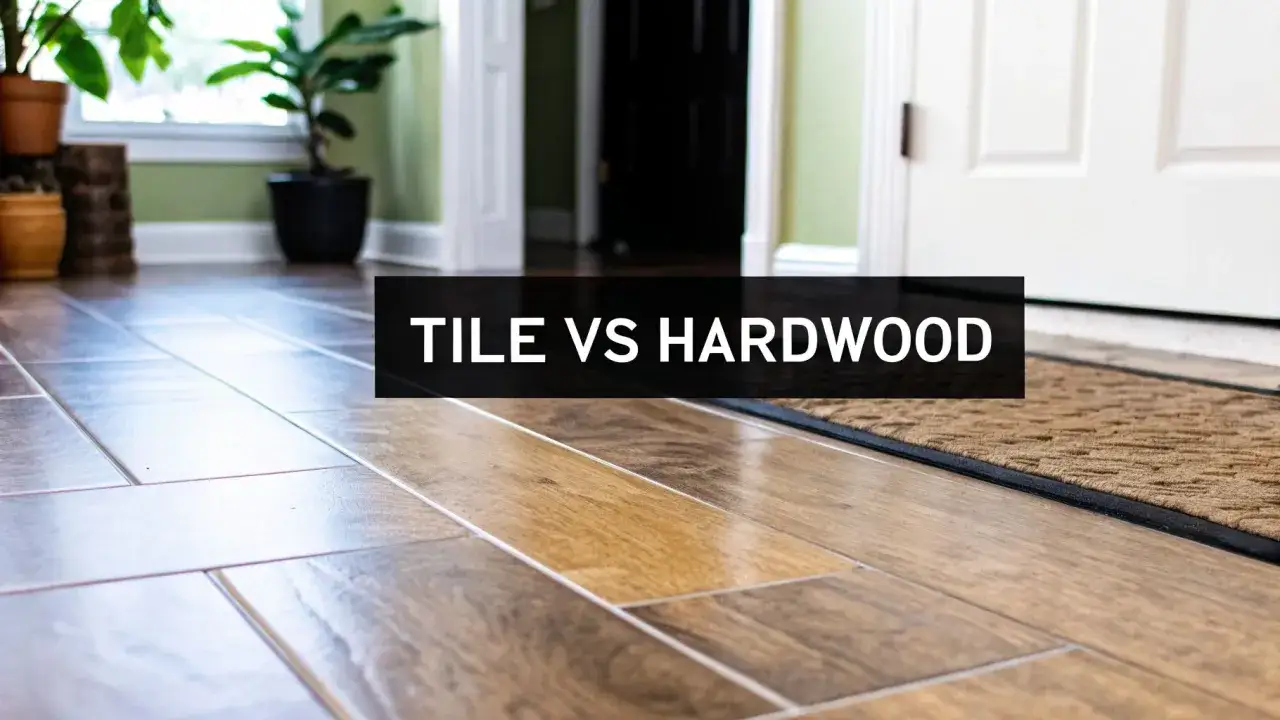
Bathrooms, laundry rooms, mudrooms, and similar spaces change the equation. Solid wood expands and contracts with humidity, which makes it a poor choice where splashes, steam, and recurring dampness are normal. Tile handles that environment far better, so the floor is less likely to cup, swell, or fail early.
This is where wood-look tile becomes genuinely useful. It gives you the visual warmth of wood without asking the floor to behave like wood. In a primary bath, powder room, or guest bath, I would rather put budget into a well-installed porcelain tile and a clean grout line than gamble on a floor that will spend its life fighting moisture.- Choose a matte or low-sheen finish for better traction underfoot.
- Match grout color to the tile if you want the room to feel calmer and more seamless.
- Pay attention to the underlayment and waterproofing details, not just the tile itself.
- Remember that tile is low-maintenance, but grout joints still need care.
Tile is not magic, though. The tile surface may be highly water-friendly, but the assembly underneath still matters. If the installer cuts corners on prep, the floor can develop cracks, loose grout, or water-related problems later. That is why the cheapest quote is not always the cheapest outcome.
When hardwood is the better value
Hardwood is not the budget pick in many projects, but it can still be the smarter value in the right room. In living rooms, bedrooms, and other dry areas, hardwood brings warmth, a premium look, and the ability to refinish the surface later instead of replacing the whole floor. That refinishing option is a real value point, because it can extend the life of the floor for years and keep the home feeling current.
I also like hardwood when the home already has wood in nearby spaces and the goal is visual continuity. If the floor plan is open and the rooms flow together, a consistent wood tone often makes the whole home feel more finished. That is part style decision, part resale strategy, and part practical value.
- Solid hardwood works best in dry, stable environments.
- Engineered hardwood is a better compromise when humidity is a concern.
- Refinishing can make hardwood a stronger long-term investment than it first appears.
- Premium species and decorative layouts raise the price fast, so the midrange options usually make the most sense.
So hardwood is not automatically the cheaper option, but in a dry room it can be the better value if you care about feel, resale, and long service life. The next question is how to budget the project without getting surprised by add-ons.
How I would budget the project
If I were pricing this for a real home, I would budget in three layers: the floor itself, the labor to install it, and the hidden work that is easy to forget. That third layer is where a lot of homeowners underestimate the total. Removing the old floor, fixing a rough subfloor, leveling, adding underlayment, finishing wood, and buying extra tile for cuts and breakage can move the project by a lot.
- Measure the room carefully and include a small allowance for waste.
- Ask whether the quote includes demolition, haul-away, leveling, underlayment, grout, trim, and finish.
- Compare the total installed price, not just the square-foot material price.
- Price the room for 10 to 15 years of use, not just move-in day.
For a small bathroom, installer minimums and prep charges can matter as much as the floor material itself. For a larger living area, the material grade and the pattern choice will usually matter more. Either way, I would always ask for itemized quotes so I can see where the money is going. That makes the final decision much easier.
The choice I’d make room by room
For a bathroom, I would choose tile almost every time. For a primary bedroom, I would usually choose hardwood. For a kitchen, I would decide based on how much moisture and traffic the floor sees, because both materials can work, but they solve different problems.
If the main goal is the lowest upfront spend, compare exact product lines and contractor quotes side by side. If the main goal is the best value over time, ask which floor is more likely to survive the room with fewer repairs, less maintenance, and fewer regrets. That is the decision that usually matters more than the price tag on the sample board.
In practical terms, the cheaper floor is not always the cheaper project. The right answer comes from matching the material to the room, then checking whether the installation details still keep the work inside your budget.